

Remote work has changed the way many people approach their careers. Instead of working from a traditional office every day, professionals now have more freedom to choose where and how they work. While working from home can be comfortable, it is not always the best setup for staying focused, productive, and motivated. Distractions, limited space, and a lack of routine can make it harder to get work done.
This is why shared office space options have become a practical choice for remote workers. A shared office gives professionals a place to work outside the home without the long-term commitment of a private office lease. It offers structure, flexibility, and access to a professional environment that supports daily productivity.
A Better Way to Separate Work From Home
One of the biggest challenges of remote work is keeping a clear line between work life and personal life. When your home becomes your office, it can be hard to fully focus during the day and fully relax after work. Some remote workers find themselves answering emails late at night or feeling like they are always “on.” A shared office helps create a healthier routine.
It gives remote workers a specific place to go during work hours and a clear reason to step away when the day is done. This separation can improve focus, reduce stress, and make work feel more organized. Having a dedicated workspace also helps build better habits. Instead of working from the couch, kitchen table, or bedroom, remote workers can sit down in a space made for productivity. This small change can make a big difference in how the workday feels.
Fewer Distractions and More Focus

Working from home can come with many distractions. Household chores, pets, family members, noise, and personal errands can interrupt the day. Even small distractions can make it harder to complete deep work, attend meetings, or stay on schedule. Shared offices are designed to support focus.
They usually offer quiet work areas, desks, meeting rooms, and reliable internet. This makes it easier for remote workers to stay on task and complete their work without constant interruptions. For professionals, having access to a focused workspace can be especially helpful when working on deadlines, client projects, virtual meetings, or creative tasks. A clean and professional environment can help the mind shift into work mode faster.
A Professional Space for Meetings and Calls
Not every remote worker has a home setup that works well for video calls or client meetings. Background noise, poor lighting, limited space, or internet problems can make meetings feel less professional. This can be stressful, especially when speaking with clients, team members, or business partners. A shared office gives remote workers access to a more polished setting.
Many spaces offer meeting rooms, private call areas, and comfortable workstations. This helps remote professionals show up with confidence during calls and presentations. A professional workspace can also help build trust with clients. It shows that the remote worker takes their work seriously and has a reliable place to manage business needs.
Flexibility Without a Long-Term Lease
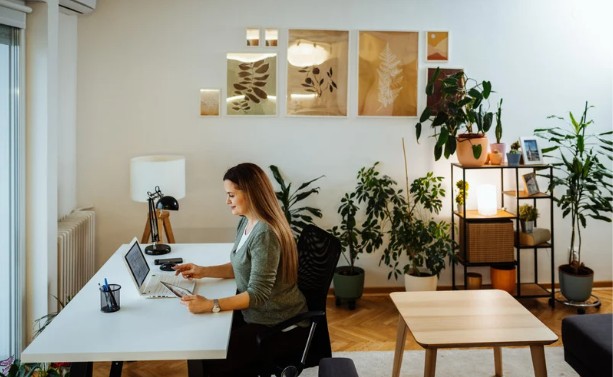
Traditional office leases can be expensive and often require long commitments. For remote workers, freelancers, and small business owners, this may not be practical. Many people only need office space a few days a week or a few hours at a time. Shared office spaces offer more flexibility. Remote workers can often choose plans that fit their schedule, such as daily passes, part-time memberships, or full-time access.
This makes it easier to find a setup that matches work needs without paying for space that is not being used. This flexibility is one reason coworking space options are appealing to professionals, including those managing a medical provider network, who want freedom and structure at the same time. It allows workers to adjust as their schedule, workload, or business grows.
More Opportunities to Connect With Others
Remote work can sometimes feel isolating. While many people enjoy the freedom, they may miss the social side of working around others. A lack of connection can affect motivation, creativity, and even mental well-being over time. Shared offices give remote workers a chance to be around other professionals without giving up independence.
Simple interactions, casual conversations, and networking opportunities can make the workday feel more balanced. These connections can also lead to new ideas, referrals, partnerships, or support. For freelancers and small business owners, being in a shared workspace can open doors to people and opportunities they may not find while working alone at home.
Access to Helpful Office Amenities

A strong workspace is not just about having a desk. Remote workers also need reliable tools and resources to do their best work. Shared offices often provide amenities such as fast internet, printing, conference rooms, mail services, kitchen areas, and comfortable seating. These features can make the workday smoother and more efficient.
Instead of dealing with home internet issues or searching for a quiet place to take a call, remote workers can rely on a space built for business needs. Having these amenities available also helps create a more professional routine. It allows remote workers to focus more on their work and less on setting up the right environment every day.
A Good Fit for Different Types of Remote Workers
Shared offices are useful for many types of professionals. Freelancers can use them to meet clients and stay productive. Remote employees can use them to create structure outside the home. Small business owners can use them as a flexible base without leasing a full office. They can also be helpful for people who travel, work hybrid schedules, or need a change of scenery.
A shared workspace gives remote workers more control over how they structure their day. For many professionals, shared office space in Detroit solutions offer the right balance of freedom, focus, and support. They allow people to keep the benefits of remote work while solving many of the challenges that come with working from home.
Conclusion
Shared offices are a smart option for remote workers who want more focus, flexibility, and professional support. They provide a clear separation between work and home, reduce distractions, and offer access to useful amenities. They also create opportunities to connect with other professionals while still allowing independent work.
For remote workers, a shared office can make the workday feel more organized, productive, and balanced. It is a practical solution for anyone who wants the freedom of remote work with the structure of a professional workspace.