

A fine dining evening does not require a complicated itinerary to feel special. A suitable restaurant, a manageable schedule, and clear expectations often matter more than elaborate extras. Start with the reason for the meal and the people joining you.
Consider whether the group wants a leisurely conversation, a celebration, or dinner before another event. Those plans call for different amounts of time. If you have a fixed departure, tell the restaurant when making the reservation and ask whether the timing is realistic.
Keep the important decisions simple
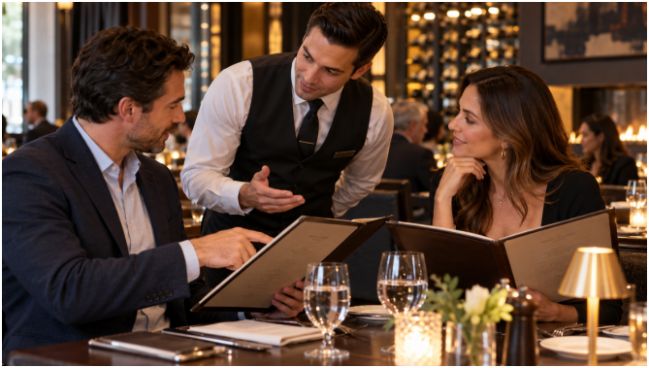
Review the current menu and price range so guests know what to expect. Ask about dress guidance if it is unclear rather than making assumptions. Choose an arrival time that allows for travel and parking without beginning the evening in a rush.
When planning fine dining in Sandy, Utah, contact the restaurant about any accommodation that matters to the group. A request for a quiet area or a particular table should be treated as a request until confirmed. Let the menu and staff help guide ordering once you arrive. The aim is to remove avoidable uncertainty so you can focus on the meal and the people at the table, without turning the evening into a tightly managed production.
Choose the part of the evening that matters most and protect time for it. If conversation is the priority, avoid placing dinner between two tightly timed commitments. If the meal precedes a performance or another event, ask the restaurant whether the planned arrival leaves an appropriate amount of time.
Give guests the essential details in one message: the reservation name, arrival time, location, and any agreed payment arrangement. Leave optional choices, such as individual ordering, open where possible. This keeps preparation useful without overwhelming people with instructions. A comfortable evening often comes from handling a few practical details early and allowing the meal itself to unfold at a reasonable pace.
Plan around the people at the table
Before choosing the details, ask about dietary restrictions, accessibility needs, and the preferred pace of the evening. Guests do not need identical tastes to enjoy the same restaurant. They do need enough information to know whether the setting and menu can accommodate them.
Review the current menu and contact the restaurant about questions that cannot be answered online. Ingredient lists and preparation methods can change. Anyone with a food allergy should discuss it directly with staff and explain the seriousness of the concern. Never assume that a dish is suitable because a similar version elsewhere was safe.
Use the reservation to prevent surprises
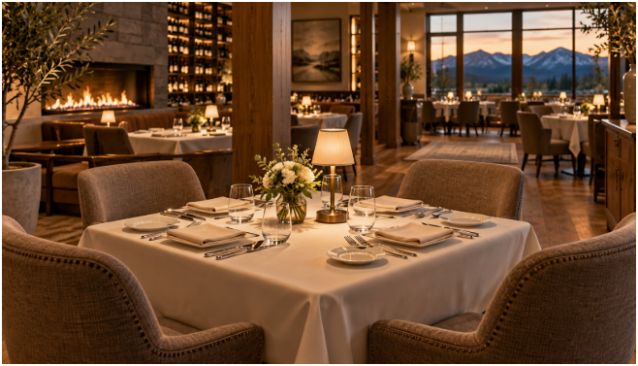
Confirm the date, party size, and any special arrangements when booking, and take a moment to review local restaurant health inspections if choosing an unfamiliar venue. For groups, ask about seating, arrival windows, deposits, and cancellation terms. Policies vary by restaurant and may differ for private events. Clarify them before collecting money or sending invitations.
A budget is easier to manage when it includes more than the main course. Consider starters, sides, beverages, taxes, gratuity, and any agreed event charges. If guests will pay separately, ask whether the restaurant can handle the arrangement. Resolving payment expectations beforehand keeps the end of the meal from becoming the most complicated part of the evening.
A short planning checklist
- Check the current menu rather than an old photograph.
- Share dietary and accessibility questions before arrival.
- Confirm the reservation and any seating requests.
- Include extras and service charges in the budget.
- Leave enough time for the meal and the trip home.
Leave room to enjoy the meal

A good plan removes uncertainty without scripting every moment. Decide which details matter most, then let the restaurant guide the service. Staff can explain unfamiliar dishes, suggest an ordering sequence, and clarify portion sizes. Asking a straightforward question is more useful than guessing from a description.
If the meal marks a celebration, tell the restaurant what you are hoping to arrange and ask what is actually available. Do not assume decorations, special desserts, or a particular table are included. Much like finding simple ways to make pre workout taste better without regretting every sip, a little advance coordination helps the evening feel comfortable and gives guests more attention for the food, the conversation, and one another.
For a mixed group, share useful information without asking everyone to commit to an order far in advance unless the restaurant requires it. A current menu link, a clear arrival time, and a straightforward explanation of payment arrangements are usually more helpful than a long set of instructions. Let guests raise private dietary questions directly with staff if they prefer. Good organization makes people comfortable while preserving enough flexibility for the evening to feel like a meal together.
Contact Libertango to confirm a reservation and any arrangements important to your evening after reviewing the current menu.