

The days between tenants can fill up quickly with repairs, cleaning, vendor appointments, and listing preparation. If nobody knows what comes next, the property may sit vacant while small tasks wait. A clear turnover plan gives each job an owner and a place in the schedule.
That is why a clear make-ready plan matters more than a long list of tasks. The goal is not simply to “get the property ready.” The goal is to move from vacancy to qualified tenant with as little friction as possible. For owners working with Avenue Residential Leasing & Management, the make-ready process is designed to reduce drift, clarify responsibility, and support faster re-leasing without sacrificing quality.
Why Turnover Delays Usually Happen in the Gaps
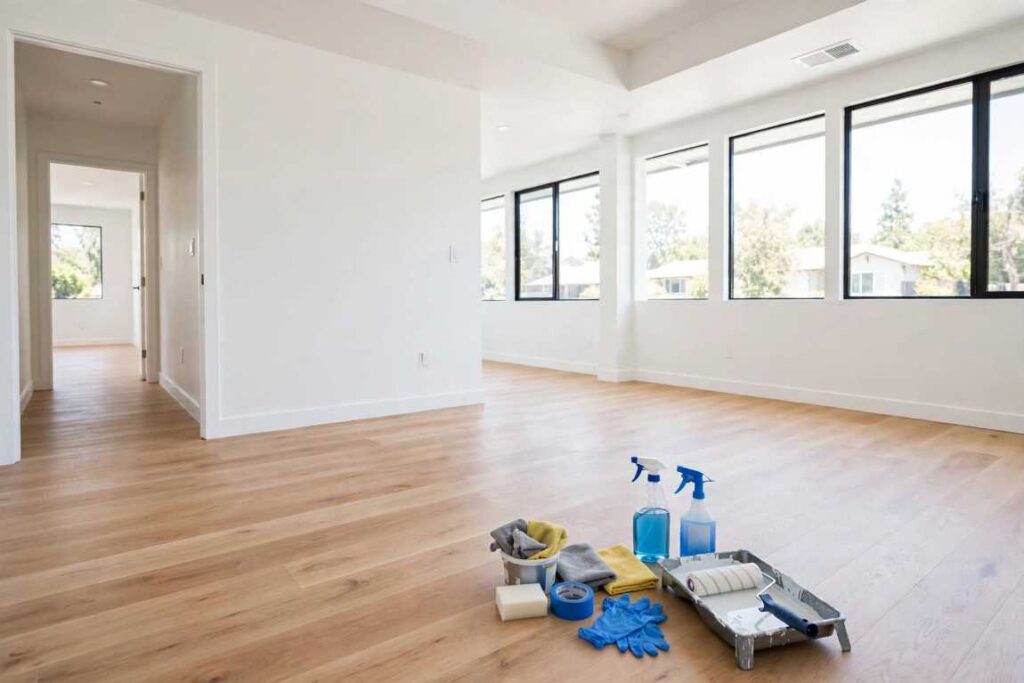
Most turnover delays do not come from one major failure. They come from a series of small unanswered questions. Is the home actually rent-ready, or just partially repaired? Which items need vendor coordination first? Has pricing been reviewed against the current market? Is the property already being marketed, or is it waiting for the last finishing touch?
Those gaps matter because each one creates idle time. A vacancy that could have been productive becomes passive. Instead of lining up the next tenant, owners spend days trying to determine what still needs to happen. That uncertainty is expensive because it delays every downstream step, from photography and listing syndication to showings and screening.
A strong make-ready plan removes ambiguity. It turns turnover into a sequence rather than a scramble. That matters whether you own one home or a larger portfolio, because the hidden cost of delay is not just lost rent. It is also the operational drag that comes from re-solving the same problems every time a lease ends.
What a Real Make-Ready Plan Has to Solve

A good turnover process does more than repair visible damage. It creates a bridge between vacancy and lease-up. For a St. Louis property manager, that means aligning maintenance, pricing, and marketing so the property is not sitting in limbo between phases.
Avenue Residential Leasing & Management approaches this by coordinating licensed local vendors, preparing the home for leasing, and then moving quickly into marketing once the property is rent-ready. That sequencing matters because it prevents owners from paying for preventable downtime. The property should not wait for a vague internal “ready soon” status. It should move forward when the actual condition supports tenant placement.
Rent-Ready Is a Strategic Milestone, Not a Casual Label
“Rent-ready” should mean more than clean floors and a fresh coat of paint. It should mean the property is genuinely prepared for showings, tenant screening, and lease execution without obvious friction points. That is important because the 30-Day Leasing Guarantee from Avenue Residential Leasing & Management applies once the property is deemed rent-ready, not from the day the previous tenant vacates.
That distinction is operationally useful. It creates clarity around when the lease-up clock actually starts. Owners can better understand what needs to happen before the property enters the active market, and they can avoid confusing turnover work with rental readiness. When the standard is clear, accountability improves.
Maintenance Coordination Needs Vendor Discipline
Repairs are one of the biggest sources of delay because they often involve more than labor. They involve scheduling, pricing, approvals, and follow-up. Avenue Residential Leasing & Management uses vetted, licensed local vendors to coordinate maintenance and repairs, which helps reduce the handoff problems that often stretch out a vacancy.
The company also uses a zero markup maintenance approach, passing direct vendor invoices through to owners without percentage markups or repair surcharges. That does not just affect cost. It makes the process easier to understand. Owners can see what they are paying for and why. In turnover work, transparency is not a cosmetic feature. It helps decisions happen faster.
The Advantage of Sequencing Repairs, Pricing, and Marketing Together

Many turnover delays happen because the work of maintaining your rural property is treated as separate tracks. Repairs happen first, pricing happens later, and marketing begins only after everything is finished. That sounds orderly, but it can slow down lease-up. Better operators coordinate those pieces so the property is moving toward the market as soon as it is genuinely ready.
Avenue Residential Leasing & Management combines comparative market analysis, maintenance coordination, and tenant placement into one operational flow. That gives owners a better chance of avoiding pricing mistakes that can extend vacancy. If the rent is too high, the listing can sit. If it is too low, the property may lease quickly but underperform over time. The right balance matters, especially when turnover costs are already eating into cash flow.
A practical turnover plan should answer three questions in the same workflow:
- What must be repaired before the property can be shown?
- What is the current market-supportable rent?
- How quickly can the home be marketed once it is ready?
When those questions are answered together, the property can move from vacancy to exposure without unnecessary pauses. That is one reason experienced teams can matter so much. Avenue Residential Leasing & Management brings more than 22 years of local market experience and manages 800+ properties across the St. Louis area, which gives the company a useful operational perspective on what slows leasing and what speeds it up.
Faster Leasing Depends on Tenant Quality, Not Just Speed
A turnover plan that focuses only on speed can create a different problem later: another early vacancy. The best plan shortens downtime without weakening screening standards. That is where a structured process becomes more valuable than a rushed one.
Avenue Residential Leasing & Management uses a 5-point tenant screening process, which helps support longer occupancy and reduce future turnover frequency. That matters because a quick lease that turns over again too soon is not a win. Owners need the next tenant to be both qualified and stable.
The company’s leasing timeline is also a strategic asset. Avenue averages 14 to 21 days to find a qualified tenant, which suggests the process is designed to keep momentum after the property becomes rent-ready. For owners, that is the difference between a property that lingers and one that starts generating rent again on a reasonable schedule.
Why Clear Standards Reduce Owner Stress
When a make-ready plan is vague, owners tend to over-involve themselves. They ask for updates, question timelines, and step into decisions that should have been systematized. Clear standards reduce that friction. They make it easier to know what is finished, what still needs approval, and what the next move should be.
That is especially valuable in turnover periods, when emotional urgency can lead to poor operational choices. A property that is almost ready is not the same as one that is marketable. A property that is marketable is not the same as one that is priced correctly. A property that is priced correctly is not automatically placed with the right tenant. Each step has to be handled deliberately.
What Owners Gain When the Make-Ready Process Is Tight
A tight make-ready plan does more than improve vacancy numbers. It protects the rental business from uncertainty. Owners gain better control over timing, clearer cost visibility, and a more disciplined path back to occupancy. That combination is often what separates a well-run rental from one that always feels one step behind.
With Avenue Residential Leasing & Management, the value is in the full sequence. The company coordinates the turnover work, uses local vendor support, supports pricing through comparative market analysis, and then markets the property through syndication and relocation networks once it is ready. That end-to-end structure helps reduce the chance that one delayed step will stall the entire process.
Just as important, the business model is designed for alignment. Flexible agreements, no cancellation penalty fees, and performance-based fee structures all signal that the company expects to earn trust through results, not friction. For owners, that kind of setup makes turnover management feel like an operational system rather than a guessing game—while freeing up bandwidth to focus on marketing opportunities you’re overlooking.
Avenue Residential Leasing & Management also supports investors and relocation clients who need predictability more than drama. In those cases, every extra day of vacancy affects not only current income but future planning. A clear make-ready plan gives those owners a better way to protect cash flow while keeping the property positioned for the next lease.
Rental turnover delays usually come from ambiguity, not complexity. When the make-ready process is defined, sequenced, and tied to the market, the property can move faster without cutting corners. For owners who want a more disciplined path from vacancy to occupancy, Avenue Residential Leasing & Management offers a practical model built around clarity, cost control, and leasing momentum.