
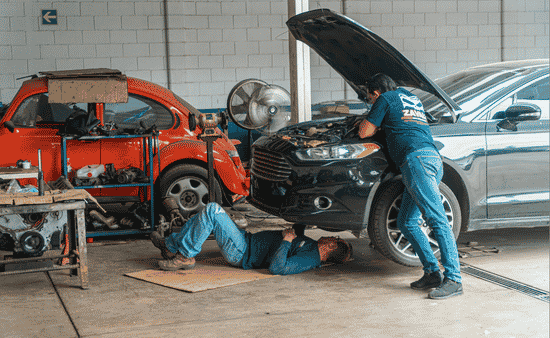
Your vehicle is a complex machine that works hard for you every day, but the changing seasons bring unique environmental challenges that can accelerate wear and tear. From blistering summer heatwaves to freezing winter blizzards, extreme weather demands adaptability from your vehicle.
By establishing a proactive, seasonal maintenance routine, you can easily prevent unexpected breakdowns, maximize your fuel efficiency, and significantly extend your car’s lifespan. Here is your comprehensive guide to keeping your car road-ready all year long.
Spring: Refresh and Renew After Winter
Spring is the ideal time to help your vehicle recover from the harsh effects of winter. The first order of business should always be a thorough undercarriage wash. Road salt used during winter can cause severe rust and structural corrosion if left untreated on your frame.
Next, inspect your windshield wipers. Heavy snow and ice frequently tear the delicate rubber blades, leaving streaks that dangerously impair visibility during sudden spring showers. Take a moment to check your tire pressure and inspect for alignment issues, as winter potholes can take a severe toll on your suspension system.
Finally, replace your engine air filter to ensure your engine breathes easily, improving performance and fuel economy as you head into the warmer months. While routine maintenance keeps your vehicle running efficiently, smart vehicle additions for everyday drivers—such as portable tire inflators, dashboard phone mounts, backup cameras, or blind-spot mirrors—can further enhance convenience, comfort, and safety during daily travel.
Summer: Beating the Extreme Heat

When summer arrives, the primary threat to your vehicle shifts from freezing ice to intense, destructive heat. Your engine’s cooling system quickly becomes your car’s most critical lifeline. Inspect your coolant levels and look closely for leaks or cracked hoses, as an overheated engine can cause catastrophic and expensive internal damage.
Summer heat also accelerates the internal chemical reactions inside your car battery, causing vital fluid to evaporate and shortening its overall life. Have an auto shop test your battery health to ensure it can handle the extra strain. Additionally, monitor your tire pressure closely on long road trips.
High outdoor temperatures cause the air inside your tires to expand rapidly, drastically increasing the risk of a dangerous blowout on hot asphalt. Don’t forget to check your air conditioning system early so you aren’t left sweltering in heavy traffic.
Autumn: Transitioning to the Cold
As the days grow shorter and temperatures cool, autumn serves as the perfect transition period to prepare for the upcoming winter freeze. Start by checking all exterior lights—including headlights, taillights, brake lights, and turn signals—ensuring you are completely visible during dark autumn commutes.
This season is also critical for inspecting your brake pads and rotors. If you hear any faint squealing or grinding, replace them immediately before slick roads make stopping difficult. Autumn is also the ideal time to address minor structural glass damage.
Drastic temperature drops cause glass to contract, which can make small rock chips expand rapidly into unfixable cracks across your line of sight. Securing a professional windshield replacement in Tooele before the first deep frost hits will maintain your vehicle’s safety standards and guarantee clear visibility.
Winter: Surviving the Freezing Frost
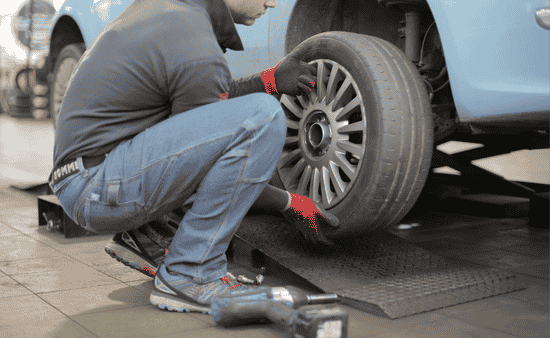
Winter is arguably the most demanding season for any vehicle on the road. Freezing temperatures significantly reduce battery efficiency, meaning an already weak battery will likely fail completely on a cold morning. Ensure your battery terminals are clean and tightly connected.
Your engine requires a precise mixture of antifreeze and water to keep the engine block from cracking, so test your coolant’s freezing point before winter peaks. Traction is paramount when navigating unexpected snow and black ice.
Check your tire tread depth, or switch to dedicated winter tires for optimal grip on mountain roads. Keep your windshield washer fluid topped up with a winter formula that won’t freeze instantly on your glass. Lastly, always carry an emergency kit containing jumper cables, blankets, a flashlight, and an ice scraper.
Year-Round Basics You Can’t Ignore
While each season requires specific seasonal attention, some baseline maintenance tasks cross all calendar lines. Regular oil changes remain the single most vital practice for overall engine longevity. Motor oil lubricates moving parts and prevents friction; ignoring it leads to costly internal engine failure.
Fluid checks—including brake, transmission, and power steering fluids—should occur monthly to catch slow leaks early. Consistently keeping your car clean protects the exterior paint from UV damage and preserves your vehicle’s ultimate resale value.
Taking the time to execute these simple seasonal checks ensures that your car remains safe, reliable, and comfortable, no matter what the weather throws your way. A small investment in preventative maintenance today saves you from massive repair bills and stressful roadside headaches tomorrow. Treat your car to regular care, and enjoy the open road with complete confidence.