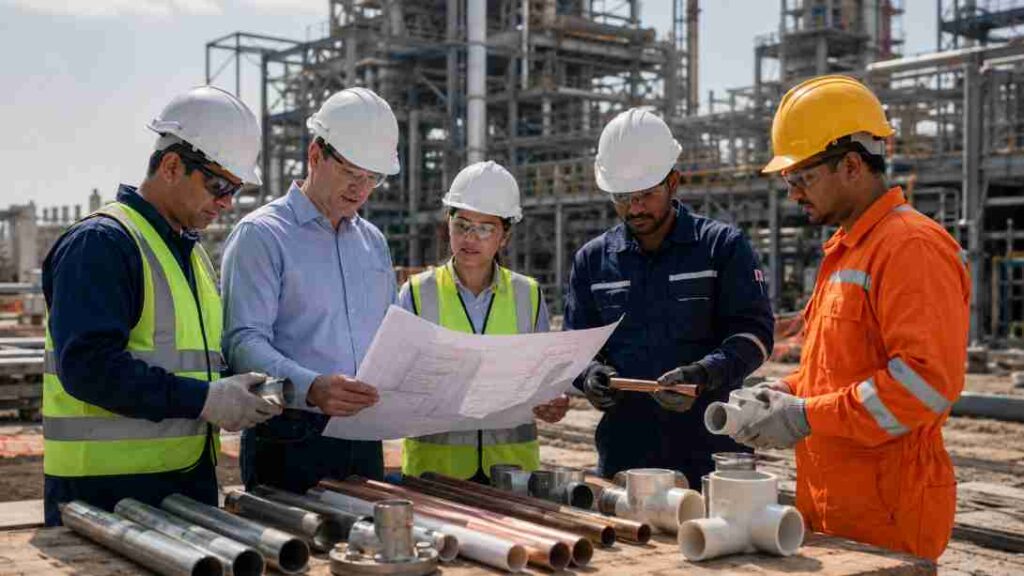
Choosing the right piping materials is a critical decision for any heavy-duty construction or industrial project. The type of piping used in manufacturing facilities, water systems, or chemical processing plants directly impacts performance, safety, efficiency, and long-term maintenance costs.
Industrial environments expose piping systems to high pressure, extreme temperatures, and corrosive materials, all of which can quickly damage unsuitable pipes. To prevent expensive repairs, downtime, and system failures, contractors and engineers must carefully evaluate materials before installation, focusing on durability, compatibility, and long-term value.
Consider the Type of Material Being Transported
The first thing to consider is the substance moving through the pipes. Different materials react uniquely depending on what they carry, so water, chemicals, steam, gas, oil, and waste products each require specific piping characteristics.
For example, corrosive chemicals can damage certain metals, while high-temperature steam systems need materials that can withstand heat. Pipes for drinking water must also meet strict safety standards.
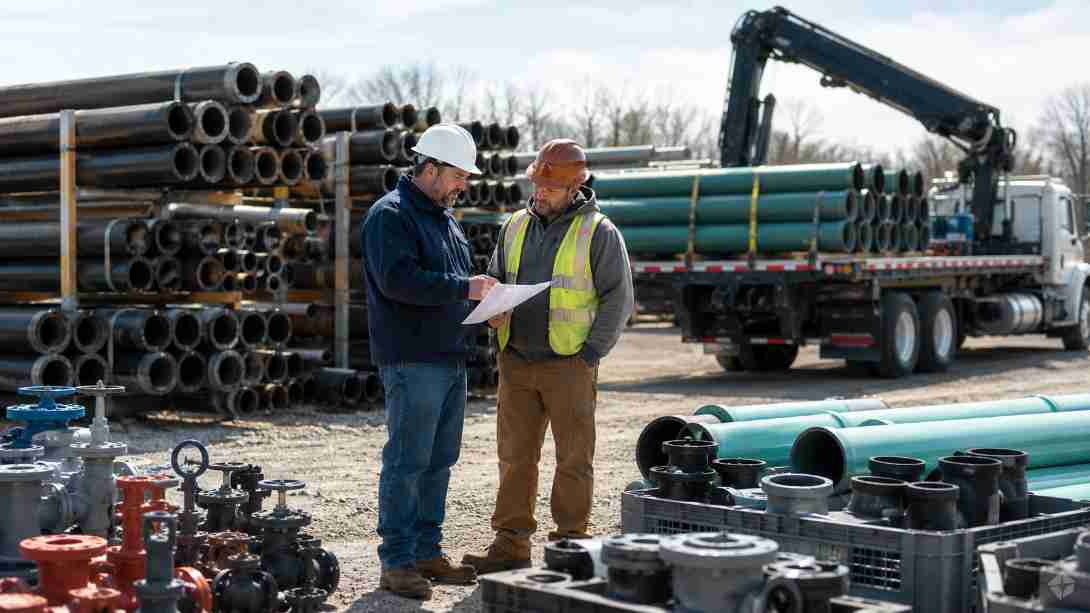
Common piping materials include:
Carbon Steel
Carbon steel is widely used in heavy-duty industrial systems because of its strength and durability. It performs well in high-pressure environments and is often used in manufacturing plants and mechanical systems.
Stainless Steel
Stainless steel offers excellent corrosion resistance and is commonly chosen for chemical facilities, food processing plants, and clean environments. It is durable and long-lasting, though usually more expensive than other options.
PVC and CPVC
Plastic piping materials such as PVC and CPVC are lightweight, cost-effective, and resistant to corrosion. These materials are often used for drainage systems, water transport, and some chemical applications.
Copper
Copper piping is commonly used in plumbing and heating systems. It resists corrosion well and offers strong thermal conductivity, making it useful for temperature-sensitive systems. Matching the pipe material to the transported substance helps ensure safety and reliable performance for years to come.
Evaluate Temperature and Pressure Requirements
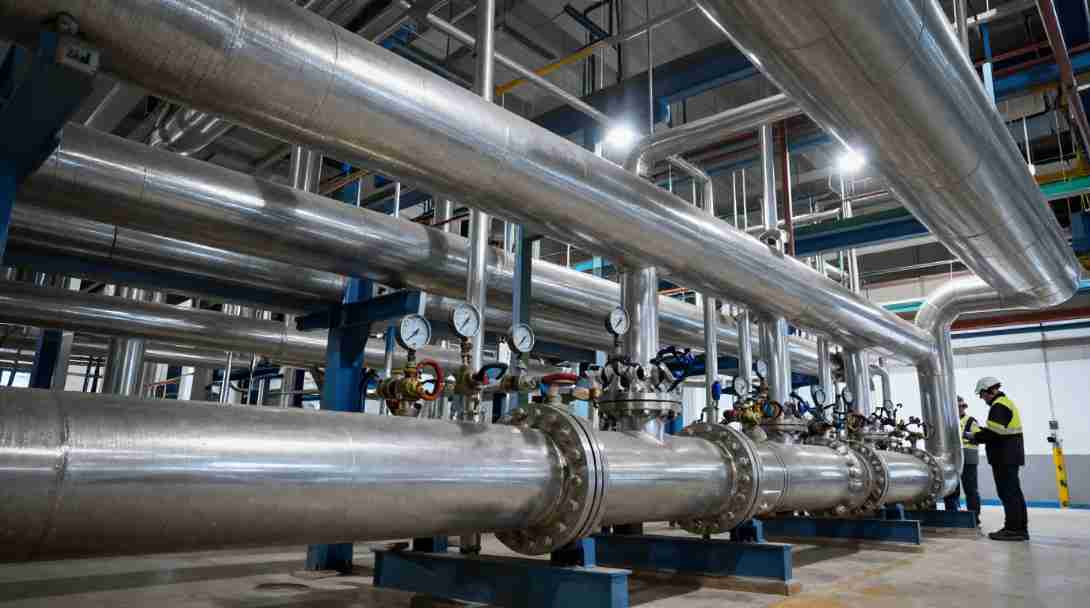
Many industrial projects operate under extreme temperatures or constant high pressure. Choosing materials without considering these conditions can lead to cracks, leaks, or system failure. Therefore, strong materials with high-pressure ratings are essential for such demanding environments.
For example:
- Stainless steel performs well in both high heat and corrosive conditions.
- Carbon steel handles high pressure effectively.
- CPVC can tolerate higher temperatures than standard PVC.
- Specialized alloys may be required for extremely aggressive environments.
Understanding the expected temperature range and pressure load allows project managers to choose piping materials that can safely handle the workload.
Think About Corrosion Resistance
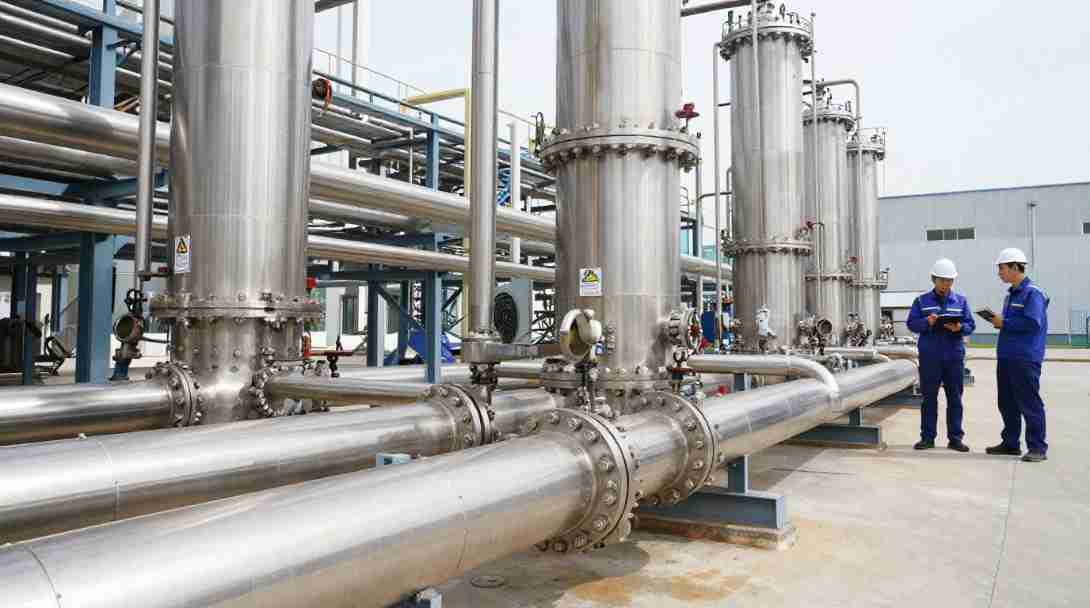
Corrosion is a primary cause of damage to industrial piping. Exposure to moisture, chemicals, and the environment can weaken piping systems over time. Choosing corrosion-resistant materials reduces maintenance costs and extends the system’s lifespan. For many industrial applications, corrosion protection is as critical as strength.
Factors that influence corrosion include:
- Exposure to chemicals
- Outdoor weather conditions
- Moisture levels
- Salt exposure
- Internal fluid composition
Different facilities face various environmental conditions based on their industry and location. Selecting the right materials ensures industrial systems remain reliable. For demanding environments, protective coatings, linings, and specialized pipe materials can further enhance corrosion resistance.
Focus on Long-Term Maintenance and Durability
While initial material cost is a factor, long-term maintenance expenses are also crucial. Cheaper materials might seem attractive initially, but frequent repairs and replacements can become costly. Durable piping systems reduce operational disruptions and downtime.
Improving system durability also supports enhancing property appeal because well-planned piping, fewer repair issues, and reliable infrastructure can make any property feel more functional and valuable.
In large industrial projects, even minor piping failures can impact productivity and safety.
Questions to consider include:
- How long is the expected system lifespan?
- How often will inspections be needed?
- Will replacement parts be easy to find?
- Does the material require protective coatings?
- Can the system handle future expansion?
Reliable systems often provide better value over the long run, even if the upfront investment is higher.
Understand Industry Regulations and Standards
Industrial piping systems are subject to specific safety codes and standards, which vary by application, industry, and material. Using approved materials is key for compliance, workplace safety, smoother inspections, and reduced liability.
Common considerations include:
- Pressure ratings
- Fire safety standards
- Environmental regulations
- Chemical compatibility requirements
- Building and mechanical codes
Working with experienced professionals and trusted suppliers can help ensure the materials selected meet all required standards for the project.
Choose a Reliable Supply Partner
Finding the right supplier is as crucial as selecting the right material. A dependable supplier offers guidance, quality products, and consistent inventory for your projects.
Many contractors and facility managers rely on industrial piping supply providers in Utah who understand the specific needs of industrial operations. Access to quality materials, technical support, and timely delivery keeps projects on schedule and within budget.
A knowledgeable supplier can also recommend suitable materials based on your application, helping you avoid costly installation mistakes.
Homeowners can also benefit from knowing what professional plumbers want every homeowner to know before making decisions about piping materials, repairs, or long-term maintenance.
Conclusion
Choosing the right piping materials for heavy-duty projects requires careful consideration of several factors, including pressure, temperature, corrosion resistance, and the materials being transported. Selecting the right components is crucial for long-term system performance and durability.
A strong, reliable piping system ensures industrial facilities operate safely and efficiently, reducing maintenance and repair costs over time. By taking the time to choose the correct materials, businesses can improve project success and achieve better long-term value.
Partnering with experienced professionals who can match piping materials to specific applications helps ensure your industrial systems remain dependable for years.