
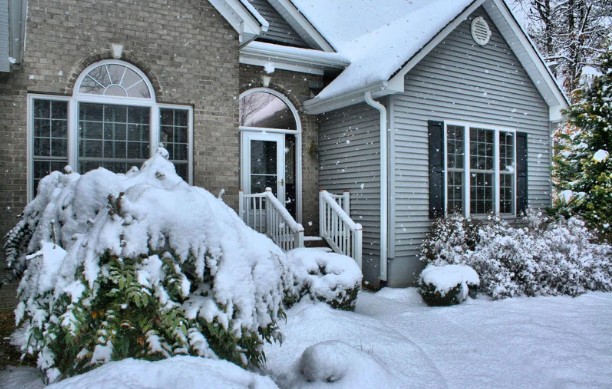
A mountain home needs to work on snowy weekends as well as sunny viewing days. Before buying in Winter Park, consider the road, driveway, parking, snow removal arrangements, and space for wet gear. Those everyday details can have a lasting effect on how comfortable and convenient the property is to use.
For buyers comparing neighborhoods, floor plans, and resale potential, the practical details often separate a beautiful property from a truly livable one. Winter access affects how often you actually use the home, how easy it is to arrive with gear and groceries, and how comfortable the property feels during the busiest ski weeks of the year. Lakota Winter Park (Saffell and Huster) approaches that conversation with the kind of local perspective that helps buyers see beyond the brochure.
Winter Access Is a Daily Livability Issue, Not a Seasonal Extra
A mountain home can look ideal on paper and still create friction every time it snows. Access is not just about whether a road is open. It is about how your routine works from the moment you leave Denver, arrive in Grand County, and try to get from the car to the living space without hassle. That is especially important for buyers who plan to use the home frequently during ski season.
In Winter Park, location directly affects convenience. Homes situated across from the ski resort and near transit options reduce the stress that can come with winter weekends. That means fewer long transitions, fewer parking frustrations, and less time spent managing the trip instead of enjoying it. For buyers working with Lakota Winter Park (Saffell and Huster), the conversation is not theoretical. It is about whether the property supports the way you want to live.
The Best Winter Homes Reduce Friction at Every Step
Strong mountain properties are designed to make winter easier from the ground up. Look for features that reduce the number of steps between arrival and comfort. The most useful ones are often the most practical:
- Secure attached garages that protect vehicles and gear
- Covered or direct interior access into the main living spaces
- Elevators that connect garage levels to primary floors
- Single-level or low-stair living layouts for easier daily movement
- Proximity to shuttle service or lift access
- Floor plans that handle wet gear, boots, and winter storage cleanly
Those details matter because winter living is repetitive. A feature that saves a few minutes once can save real frustration over the course of an entire season. That is one reason buyers often rely on Winter Park Realtors who understand the difference between a home that is merely attractive and one that is genuinely functional.
Upkeep Matters as Much as Access When You Own in the Mountains
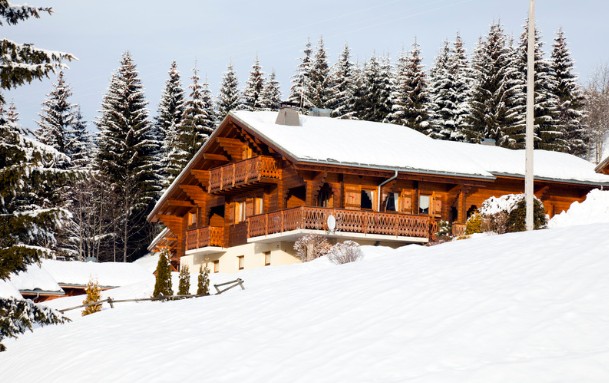
Buyers often focus on how they will get to the mountain. They should also ask how the home will hold up after they are there. Winter upkeep affects everything from entryways and garages to circulation inside the home. It is not only about snow removal. It is also about the architecture, the maintenance demands of the exterior, and the way the property handles frequent freeze-thaw cycles.
Newer construction can offer a clear advantage here. A thoughtfully designed mountain-modern home may reduce routine burdens through durable materials, efficient layouts, and systems that are easier to manage in colder conditions. That does not eliminate winter upkeep, but it can make ownership more predictable. In a market like Winter Park, predictability is valuable because many buyers are balancing second-home use with limited time onsite.
Why Floor Plan Choices Affect Winter Convenience
The right layout changes how winter feels day to day. A garage on the entry level is helpful, but a garage connected by elevator to the main entertaining floor is even better for buyers carrying luggage, groceries, skis, or guests. That type of design is especially relevant in properties where multi-generational living is part of the plan.
Lakota Winter Park (Saffell and Huster) highlights this kind of planning because it speaks to real use, not abstract luxury. A home that allows an owner or guest to move comfortably from garage to gathering space is simply easier to live in during winter. For many buyers, that ease is worth more than a few extra square feet or a more decorative finish.
Location Should Be Measured by Real Winter Behavior, Not Just Map Distance
A short drive on a summer afternoon can become a very different experience in January. Buyers should evaluate winter location by how they will actually move through the season, including the practical demands of preparing car for every season. Are they close enough to the mountain to avoid long morning commutes? Can they use shuttle service instead of driving every time? Does the location make a quick ski day realistic, or does it add enough friction that the home gets used less often?
Lakota is positioned directly across from Winter Park Ski Resort, with access that supports a simpler winter routine. The community is also just over an hour from Denver, which matters for buyers who want a mountain home that stays accessible without turning every arrival into a major travel day. That proximity is a strategic advantage, not just a convenience.
What Smart Buyers Ask Before They Commit
Before buying, strong operators ask practical questions that reveal how winter ownership will actually feel.
- How close is the property to resort access and shuttle options?
- Can you arrive, unload, and get inside without extra steps?
- Is there secure storage for gear, skis, and winter equipment?
- How does the layout support guests, children, or aging family members?
- Will the home still feel easy to use during the busiest snow periods?
These questions often uncover the real difference between a home that looks ideal and one that works smoothly for years. Lakota Winter Park (Saffell and Huster) is useful in this conversation because local knowledge matters when you are assessing winter livability, not just finishes.
What Lakota Winter Park Buyers Are Actually Choosing

Not every mountain home buyer wants the same thing. Some want a primary residence with year-round practicality. Others want a second home that can support holidays, ski weekends, and multi-generational visits. Still others are focused on legacy ownership, where the property needs to perform well for years and remain easy to hand down or share.
Lakota Winter Park (Saffell and Huster) offers a useful range of options for that spectrum. The community includes mountain-modern homes, duplex residences, custom estates, and homesites across distinct enclaves. Some neighborhoods, including Northwoods and Trailside, are sold out and are primarily available through resales, while other areas such as Three Peaks and The Reserve have specific unit availability. That mix matters because it gives buyers different ways to approach winter ownership depending on timing, preference, and long-term goals.
How Design Supports Multi-Generational Living
Winter homes are often used by more than one generation. That changes the design priorities. Easier circulation, fewer stairs, garage access, elevators, and flexible gathering spaces all become more important when grandparents, children, and guests are sharing the same property.
In that context, the value of a well-planned mountain home becomes easier to see. It is not only about comfort on a single ski trip. It is about whether the home can serve a family’s routines over many seasons without becoming tiring or impractical. Lakota Winter Park (Saffell and Huster) understands that nuance, which is why the conversation around ownership should always include how the property will function when the snow is deepest and the house is full.
The Strongest Buying Decisions Balance Lifestyle, Logistics, and Long-Term Value
The right mountain home does more than create an impressive weekend. It supports a rhythm of living that feels stable, efficient, and worth returning to. That is the deeper point behind winter access and upkeep. Buyers who think carefully about winter usability tend to make better decisions because they are comparing how homes actually work, not just how they appear in listing photos.
This is where a local advisor becomes especially valuable. Lakota Winter Park (Saffell and Huster) brings long-standing Grand County experience to the table, which helps buyers evaluate slope proximity, winter transit, and maintenance considerations with more clarity. That perspective is particularly useful in a market where small details can have a large effect on ownership satisfaction.
For buyers ready to take the next step, start with the fundamentals: access, upkeep, layout, and seasonal usability. If those pieces are strong, the home is much more likely to feel rewarding in every season, not just on the first powder day. If you want to explore the community and understand how the properties fit a winter-focused lifestyle, visit Winter Park Colorado Real Estate and review the options with a clear eye toward how you want to live.