
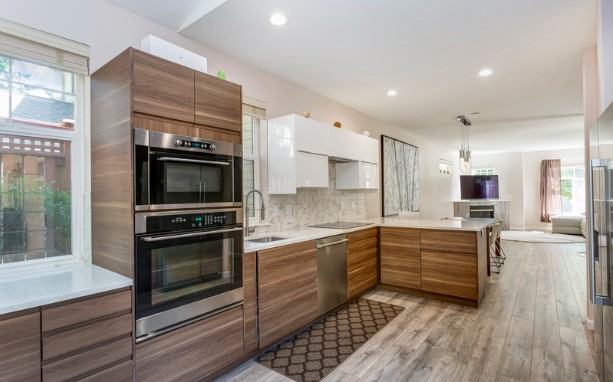
A kitchen remodel scope should explain what the project needs to accomplish before finishes take over the conversation. A new surface cannot correct an awkward route, inadequate storage, or an appliance arrangement that does not fit daily use. Start with the problems you want the renovation to solve.
List the existing conditions and divide wishes into essential changes and optional upgrades. Include who uses the room, how often the household cooks, and whether the kitchen must accommodate several people at once. A designer or contractor can use that information to test possible layouts.
Resolve scope before shopping in detail
Identify which cabinets, appliances, fixtures, surfaces, and services are expected to change. Ask what evaluation is needed for structural, electrical, plumbing, or ventilation work. Avoid assuming that moving one visible item has no effect on the systems around it.
When planning a kitchen remodel in Utah, connect the budget to a defined scope and leave room to discuss concealed conditions. Decide which selections must be finalized before accurate pricing or ordering is possible. Clarify the temporary cooking and storage arrangements the household will need during construction. A useful scope gives the team a shared description of the work and lets finish choices support a functioning plan rather than determine it prematurely.
Create a decision list before shopping for finishes. Identify which items determine dimensions, utilities, or installation details, and which can be chosen later. The contractor or designer can explain the sequence. An attractive product selected too early may constrain the plan before the room’s functional needs are resolved.
Discuss how the household will manage meals, cleanup, and storage during construction. Ask when utilities or appliances may be unavailable and what arrangements are needed. Keep these practical needs in the project conversation rather than treating them as separate personal inconveniences. A remodel scope should describe the finished room and the work required to reach it, including decisions that affect everyday life while the kitchen is out of use.
Make the scope visible
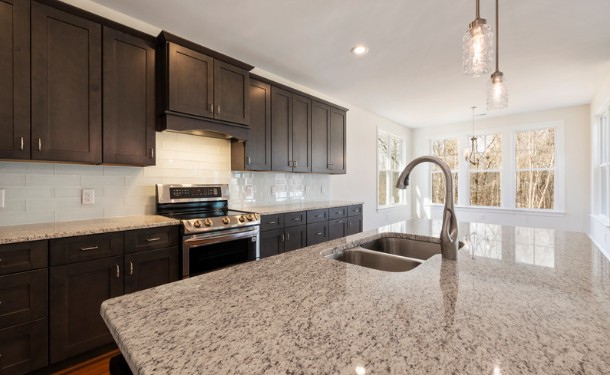
Before approving work, ask for a description of what will be inspected, repaired, replaced, and left alone. For modern bedroom makeovers, clarify whether the scope includes flooring, lighting, built-in storage, or only cosmetic updates. Photos and measurements help, but they do not reveal every concealed condition. A proposal should explain which assumptions depend on further inspection and how discoveries will be handled.
Keep functional requirements separate from appearance preferences. The first group may include water management, safe access, or compatibility with existing materials. The second may include color or finish. Both matter, but knowing the difference makes it easier to preserve essential work if the budget needs adjusting.
Compare the work behind the price
Two prices are difficult to compare when they describe different jobs. If you have read that “hardwood floors are smart home upgrade,” look beyond that claim and compare the actual installation scope. Check whether preparation, protection of nearby surfaces, disposal, and restoration are included. Ask who coordinates related trades and whether required permits or inspections are part of the quoted scope. Requirements depend on the work and location.
Discuss access and household disruption as well. Contractors may need clear pathways, parking, or temporary use of utilities. Pets, children, and work-from-home schedules can affect daily arrangements. Addressing these details before work begins gives everyone a clearer understanding of what the project involves beyond the finished result.
Keep a short project checklist
- Record the existing condition with dated photographs from safe locations.
- Save the agreed scope, product details, and relevant drawings together.
- Ask how changes will be priced and approved before additional work.
- Confirm who will answer questions while the work is underway.
- Request care instructions and applicable warranty documents at completion.
Plan for the completed work

Ask what routine care the finished work will need and which early signs should prompt a follow-up call. Some materials require specific cleaners or maintenance methods. Other components need periodic inspection rather than frequent treatment. Written instructions are easier to follow than a brief conversation during cleanup.
Before the final walkthrough, compare the completed work with the agreed scope and note any unresolved items. Keep photographs of concealed work when available, along with invoices and product information. These records can help with future repairs or changes. A successful project leaves the homeowner with both a functional result and enough information to look after it responsibly.
Ask what conditions would make the proposed approach unsuitable. A responsible explanation may identify damage that cannot be evaluated until an area is opened or an existing component is removed. Agree on the point at which work would pause for a new decision. Keeping that boundary clear is especially useful when several repairs depend on each other. It lets the homeowner understand the limits of the initial proposal without treating every unknown as a reason to approve additional work in advance.
Request a kitchen consultation with Renovate Ease and bring a clear list of functional priorities before choosing finishes.