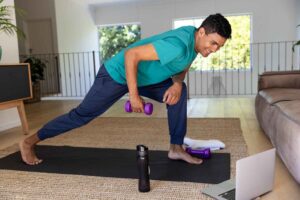

If you’ve been hitting the gym, eating right, and following the latest fitness trends, yet you’re not seeing the results you expected, it can be frustrating. The truth is, many people face setbacks in their fitness journey, and it’s not always due to a lack of effort. Understanding why you’re not achieving the results you want can help you make necessary adjustments and move forward.
Let’s dive into some of the common reasons why you may not be getting the desired results and how you can fix them.
1. Lack of Consistency
Consistency is the foundation of any fitness journey. Whether it’s showing up at the gym, eating the right foods, or getting enough rest, staying consistent is key. Many people expect instant results and give up too soon. Fitness is a long-term commitment, and success often comes from sticking with it through ups and downs.
Why Consistency Matters
Fitness results require time to accumulate. When you’re consistent, even on tough days, you create momentum. This momentum not only helps build physical changes but also strengthens your mental resolve. Skipping workouts or making poor dietary choices even occasionally can derail your progress.
How to Stay Consistent:
- Set realistic, small goals and build your way up.
- Keep a fitness log to track progress.
- Find a workout buddy or a fitness community to stay motivated.
- Reward yourself for sticking to your routine.
2. Not Adjusting Your Diet
You’ve probably heard the saying, “You can’t out-exercise a bad diet,” and it’s true. No matter how many hours you spend in the gym, if your diet isn’t aligned with your goals, you won’t see the desired results.

The Importance of a Balanced Diet
Nutrition plays a huge role in muscle building, fat loss, and overall fitness. If you’re not getting the right amount of calories, macronutrients (proteins, fats, and carbohydrates), or micronutrients (vitamins and minerals), your body won’t be able to function at its best.
For example, eating too many processed foods can cause inflammation, hinder muscle recovery, and prevent fat loss. On the other hand, not eating enough protein or calories can slow down muscle growth and fat loss.
How to Improve Your Diet:
- Focus on whole, nutrient-dense foods like fruits, vegetables, lean proteins, and healthy fats.
- Ensure you are eating the right number of calories for your fitness goal—whether it’s to lose fat or gain muscle.
- Stay hydrated, as water plays an essential role in metabolism and overall health.
- Plan meals ahead of time to avoid impulse eating or skipping meals.
3. Insufficient Rest and Recovery
Exercise places stress on your muscles, which then need time to repair and grow. Without enough recovery time, you’re setting yourself up for burnout and injury. Many people overtrain and don’t give their bodies enough time to recover, which slows down progress.
How Recovery Affects Results
When you work out, you create tiny tears in your muscle fibers. These tears heal during rest, helping your muscles become stronger and bigger. Without proper recovery, you risk diminishing returns, fatigue, and injury.
How to Optimize Your Rest:
- Get 7-9 hours of sleep each night to allow for optimal muscle recovery.
- Incorporate active recovery days, such as walking or yoga, to help muscles recover without overloading them.
- Consider including stretching or foam rolling into your routine to prevent tight muscles.
4. Not Tracking Your Progress Effectively
It’s hard to know whether you’re making progress if you’re not tracking your efforts. Many people assume they’re not getting results simply because they haven’t been measuring or tracking important metrics. Tracking can help you identify patterns and adjust your approach when things aren’t working.

How Tracking Makes a Difference
Monitoring your workouts, diet, and physical changes (such as body measurements or weight) will give you tangible evidence of your progress. This can boost motivation, help you stay focused, and allow you to tweak your routine if something isn’t working.
Tips for Tracking Your Progress:
- Keep a workout journal that includes sets, reps, and weights.
- Track your body measurements regularly, including weight, waist size, and body fat percentage.
- Use fitness apps or wearable tech to monitor activity and calorie intake.
- Take progress photos to visually compare changes over time.
5. Overtraining or Undertraining
There’s a fine line between training enough and overdoing it. Both overtraining and undertraining can hinder results. Overtraining can cause injuries, fatigue, and loss of muscle mass, while undertraining can result in a lack of progress because you’re simply not pushing your body enough to stimulate growth.
Finding the Right Balance
The right workout intensity will challenge your body without overtaxing it. Overtraining can lead to muscle fatigue and burnout, while undertraining can leave your body stagnant. Striking a balance is essential for progress.
How to Find Balance:
- Follow a structured workout program that includes rest days.
- Focus on progressive overload (gradually increasing the intensity of your workouts).
- Take deload weeks to allow your body to recover fully.
- Listen to your body—if you’re feeling worn out, take a break.
6. Unrealistic Expectations
It’s easy to fall into the trap of expecting rapid changes, especially when you’re following fitness influencers or the latest trends. However, results take time, and everyone’s journey is different.
Why Unrealistic Expectations Can Hurt Progress
When you expect fast results and don’t see them, it can lead to frustration, which may cause you to quit altogether. Setbacks or slower progress are normal parts of the process. Understanding that real change takes time will help you stay patient and persistent.
How to Set Realistic Expectations:
- Focus on progress, not perfection. Celebrate small wins, like hitting a new personal best or sticking to your diet for a week.
- Set long-term goals, but break them into smaller, achievable milestones.
- Understand that results may not be immediately visible; the changes are happening internally first.
7. Not Personalizing Your Fitness Plan
There’s no one-size-fits-all solution in fitness. What works for one person might not work for you. Fitness is highly individualized, and the best plan for you depends on your body, goals, lifestyle, and preferences.
Why Personalization Matters
Personalized fitness plans take into account your unique needs, ensuring you’re targeting the right areas of your body with the appropriate exercises and diet.
How to Personalize Your Plan:
- Consider consulting with a personal trainer or coach to design a program suited to your needs.
- Tailor your diet to fit your activity levels, whether you’re focusing on weight loss or muscle gain.
- Incorporate exercises you enjoy to ensure you stay motivated.
Table: Key Factors That Affect Your Fitness Results
| Factor | Why It Matters | How to Improve |
| Consistency | Builds momentum and ensures long-term results | Set small, realistic goals |
| Diet | Provides the necessary fuel for progress | Focus on whole, nutrient-dense foods |
| Recovery | Allows muscle repair and prevents burnout | Prioritize sleep and rest days |
| Tracking | Helps measure progress and adjust accordingly | Use apps, journals, or photos |
| Training Intensity | Ensures you’re challenging your body without overdoing it | Follow a structured program |
| Expectations | Keeps you motivated and realistic | Set milestones and celebrate small wins |
| Personalization | Makes sure you’re working towards your individual goals | Consult professionals for tailored advice |
Conclusion
Getting results on your fitness journey is about more than just hard work; it’s about smart work. Consistency, proper nutrition, rest, tracking, and setting realistic expectations are just some of the factors that contribute to long-term success. By making small adjustments, staying patient, and focusing on what works best for you, you can overcome the obstacles that may be hindering your progress.
By addressing these common pitfalls, you’ll be on the right path to reaching your fitness goals and achieving sustainable results.