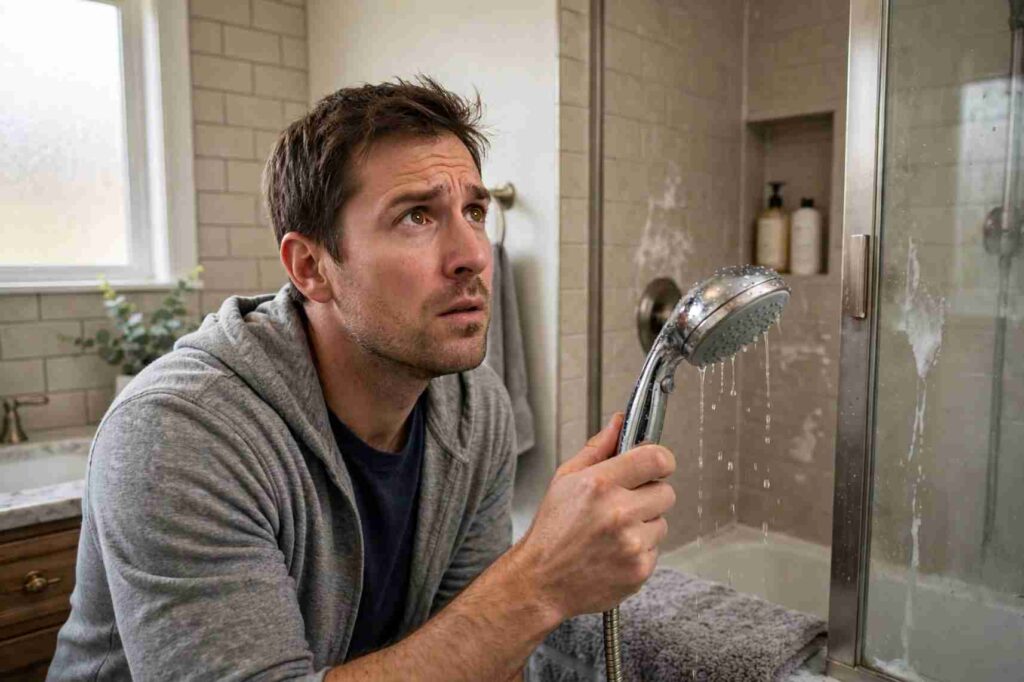
A weak shower and a slow-filling washing machine may point to the same problem when water pressure has dropped throughout the house. The cause could be a supply interruption, a leak, or a restriction in the plumbing. Checking which fixtures are affected helps narrow the search.
The challenge is that low pressure does not always mean the same thing. A shower that weakens, a washing machine that fills slowly, and a hose bib that barely moves water can all come from different causes. The right answer depends on whether the issue is in the municipal supply, the main line, the interior piping, or an accessory like a water softener. That is why experienced plumbers focus on pattern recognition, not guesswork.
1st American Plumbing approaches pressure problems as a system diagnosis, not a single symptom. That matters because the wrong assumption can lead to unnecessary repairs, temporary fixes, or avoidable property damage. In many homes, the real issue is not that the water “stopped working,” but that the home has lost flow somewhere between the meter and the fixtures.
Whole-Home Pressure Loss Usually Means the Problem Is Upstream
A single weak faucet may suggest a clogged aerator or a failing fixture valve. A pressure drop across the whole house suggests something upstream is limiting the volume of water available to the plumbing system. That distinction matters because it changes both the diagnosis and the repair plan.
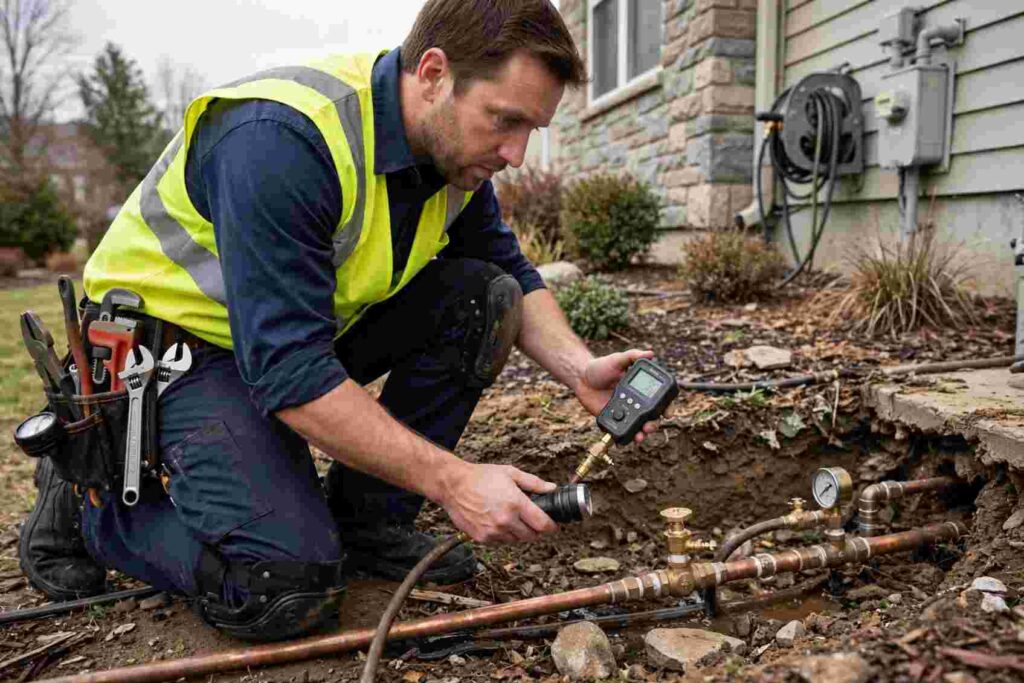
The main water line is one of the first places to inspect. If the line is leaking underground, partially broken, or narrowed by corrosion, water can still reach the house but not at the flow rate the home needs. The system may feel “alive” at one fixture and dead at another, especially when multiple appliances run at once.
Water availability also matters beyond residential plumbing, as planning ranch irrigation around water supply requires understanding supply capacity and balancing demand across different operations.
What homeowners often notice first
Pressure losses rarely appear as one dramatic event. More often, the warning signs build gradually:
- Showers lose force when another fixture turns on.
- Faucets run normally, then weaken over time.
- The water heater seems fine, but hot and cold both feel slower.
- Lawn spigots and indoor fixtures both show the same drop.
- The issue affects the entire home, not just one bathroom.
That pattern is important. When the whole house is affected equally, the problem is usually not a single fixture. It is typically a supply-side restriction, a leak, or a pipe condition that needs professional attention from a team like 1st American Plumbing.
Hidden Leaks and Pipe Damage Can Steal Pressure Without Obvious Warning Signs
A leaking line does not always flood a basement or leave a visible puddle. Some of the most serious pressure problems come from leaks that stay concealed behind walls, under slabs, or underground. In those cases, water escapes before it reaches the fixtures, which means the home loses pressure long before a homeowner sees visible damage.
This is one reason whole-home pressure loss deserves prompt evaluation. A small leak can become a larger structural issue if it keeps running unnoticed. It can also create inconsistent pressure, where one part of the house seems usable and another does not.
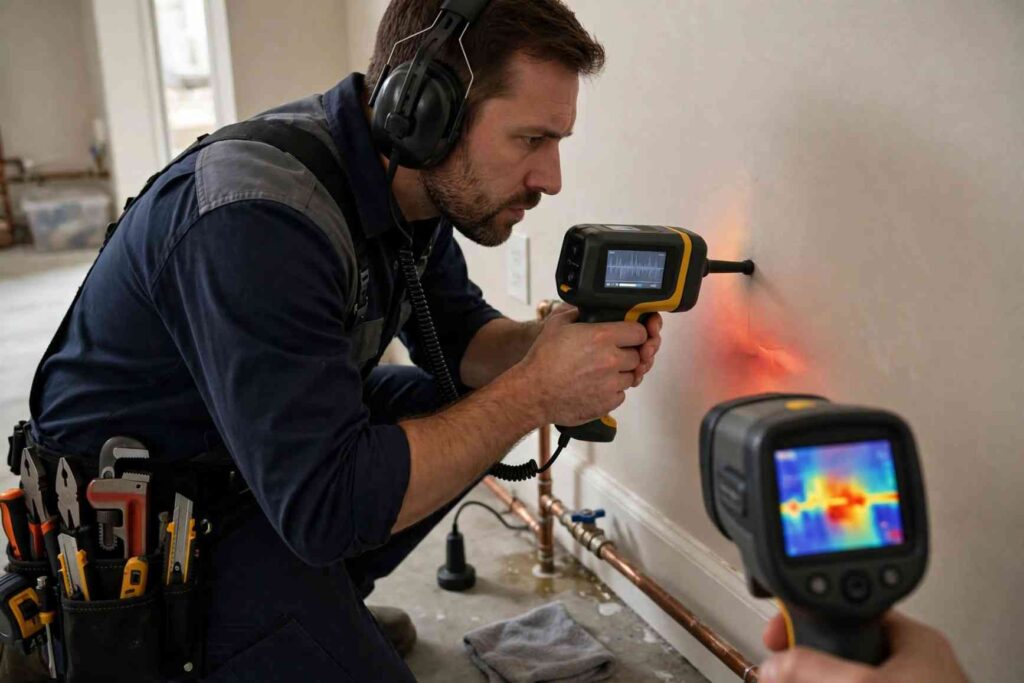
1st American Plumbing uses non-invasive diagnostic methods such as acoustic listening devices and thermal imaging to isolate suspected leaks without unnecessary exploratory digging. That approach is valuable because it reduces guesswork and helps identify the actual fault line before demolition or excavation begins.
Why the symptoms can feel inconsistent
A homeowner may assume pressure is “fine” because one bathroom works well enough. Then the kitchen sink slows down when the shower is running. Or the pressure improves late at night and worsens during busy morning hours. That inconsistency can happen when the line is partially compromised rather than fully blocked.
In those situations, the question is not whether water is reaching the house. The question is how much of it is making it through the system without being lost along the way. That is the kind of diagnosis that separates a short-term patch from a durable repair.
Corrosion, Undersized Lines, and Old Materials Create a Flow Bottleneck
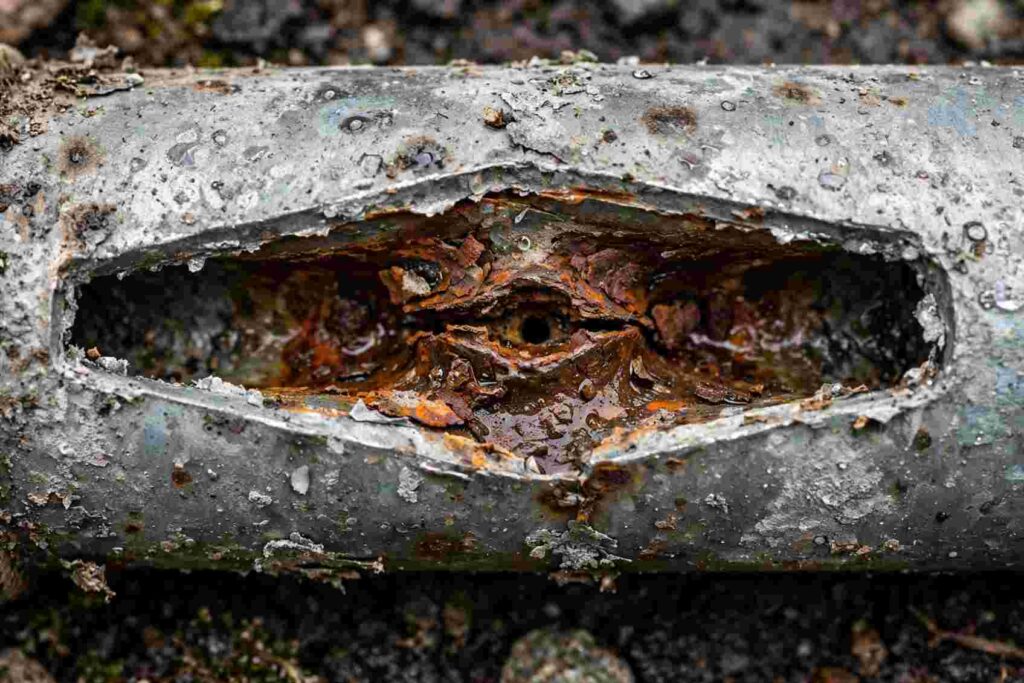
Not every pressure complaint comes from a leak. Some homes have pipes that are simply no longer suited to the demands of the household. Older galvanized pipe corrosion is a common example. As corrosion builds inside the pipe, the interior opening gets smaller, which restricts flow even if the line is technically intact.
Undersized piping creates a similar problem. A home can have enough water supply in theory and still struggle in practice if the line cannot move enough water to support multiple fixtures at once. That becomes especially noticeable in homes with modern usage patterns, where showers, laundry, dishwashers, and outdoor spigots may all draw water at the same time.
In those cases, a water service upgrade may be the most practical long-term solution. 1st American Plumbing can evaluate whether a line replacement with PEX or copper is the better path based on the home’s layout, depth, condition, and code requirements. That is often far more effective than chasing isolated symptoms one by one.
When replacement makes more sense than repeated repair
Repeated pressure issues often point to a pipe that is beyond patchwork repair. A repair may make sense when the problem is localized and the rest of the line is sound. Replacement becomes more compelling when the line is repeatedly failing, heavily corroded, or too limited for the home’s actual demand.
That judgment matters for homeowners because the cheapest repair is not always the best value. If the same pressure issue keeps returning, the real cost is not just the next service call. It is the damage, disruption, and uncertainty that come with an unresolved supply problem.
Water Softeners and Interior Restrictions Can Mimic Bigger Supply Problems
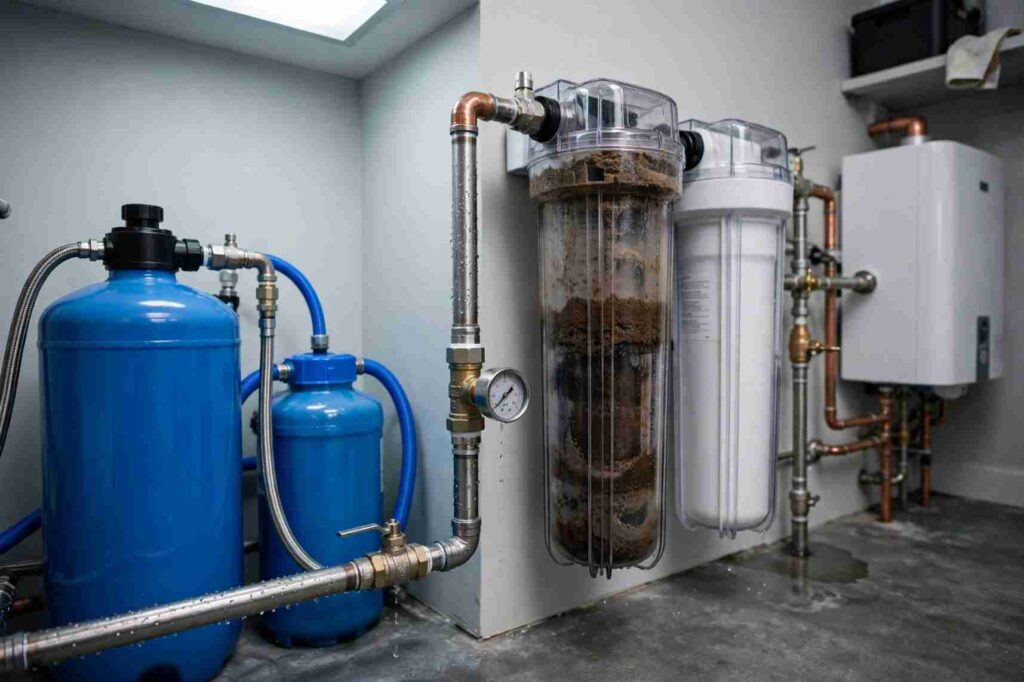
A whole-house pressure drop is not always caused by the main line. Sometimes the issue starts inside the home with a water softener, filtration system, shutoff valve, or other restriction that limits flow after the water enters the property. A softener that is outdated, clogged, or improperly configured can create a severe bottleneck that feels like a much larger plumbing failure.
This is where good diagnostics matter. A rushed diagnosis may blame the city supply or the main line too quickly. A careful diagnosis checks the full path of water through the home, including treatment equipment and major interior components. That is the difference between solving the problem and just reacting to it.
For homeowners, the practical takeaway is simple: if pressure changes after a softener is serviced, or if the home has a treatment system that has not been maintained in a while, that equipment deserves attention. It may be the obstacle reducing flow at every fixture.
What Strong Operators Do Differently When Pressure Drops
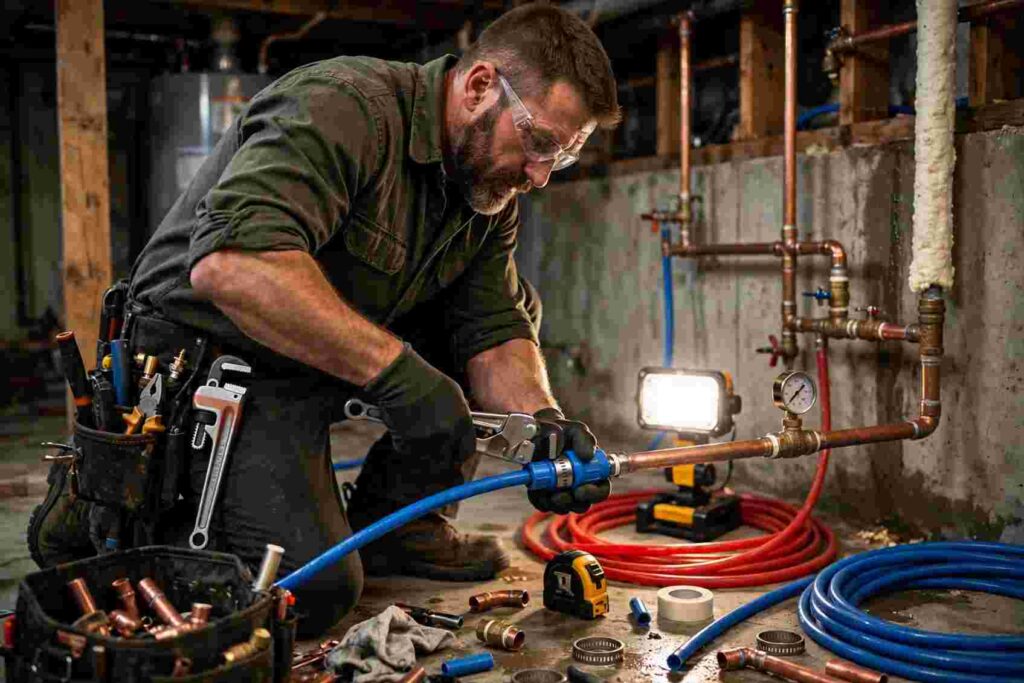
The best plumbing response is not simply to “find the low pressure.” It is to identify why the system is struggling, then choose the least disruptive repair that will hold up over time. That requires a disciplined sequence of testing, not assumptions.
Understanding what professional plumbers want every homeowner to know can help homeowners recognize warning signs early, understand repair recommendations, and make more informed decisions about plumbing maintenance.
Strong operators usually work in this order:
- Confirm whether the issue affects one fixture or the whole house.
- Check for leaks, corrosion, and pressure restrictions in the supply path.
- Evaluate the main line and interior piping for age, size, and damage.
- Inspect treatment equipment and major valves for flow limitations.
- Recommend repair, upgrade, or replacement based on the actual condition of the system.
That method protects the homeowner from unnecessary work and helps avoid temporary fixes that leave the root cause untouched. It is also why a trusted local team matters. 1st American Plumbing brings the kind of diagnostic discipline that keeps the focus on long-term performance rather than guesswork or upselling.
For some homes, the answer may be targeted repair. For others, especially where the line is compromised, water line repair in South Jordan is the most direct way to restore usable pressure and protect the property from further damage.
The Real Goal Is Stable Pressure, Not Just a Temporary Fix
A home should not force families to plan around weak showers, slow sinks, and unpredictable appliance performance. When pressure drops throughout the entire house, the issue usually deserves a deeper look because it often reflects a system problem, not a minor annoyance.
The long-term goal is not just getting water back to one fixture. It is restoring consistent flow across the whole property, preventing hidden damage, and making sure the plumbing system can support daily use without strain. That is where careful diagnosis, appropriate materials, and honest recommendations matter most.
If your whole house has started losing pressure, 1st American Plumbing can help determine whether the issue is a leak, a corroded line, a restriction, or a needed upgrade. The sooner the source is identified, the easier it is to protect the home and get the system working the way it should.