
When it comes to fat loss, two major types of exercise come to mind: cardio and lifting (or strength training). Both have their own set of benefits, but which one is more effective for shedding fat? In this article, we’ll explore both methods, compare their fat-burning potentials, and help you understand how to incorporate them into a balanced routine for optimal fat loss. Let’s dive into the science behind cardio and lifting, and see which one is better for you!
What is Cardio?
Cardiovascular exercise, commonly known as cardio, involves activities that raise your heart rate and maintain it over a period of time. These include running, cycling, swimming, or even walking at a brisk pace. Cardio is often associated with fat loss because of its calorie-burning capabilities.

Cardio Benefits for Fat Loss
- Burns More Calories: Cardio helps you burn calories quickly, making it effective for fat loss in the short term.
- Improves Cardiovascular Health: Regular cardio strengthens the heart, boosts stamina, and enhances overall fitness.
- High-Intensity Interval Training (HIIT): This cardio variant alternates between bursts of intense effort and recovery periods, making it a powerful fat-burning workout.
What is Weight Lifting?
Weight lifting or strength training involves exercises that use resistance, like lifting weights or using bodyweight to challenge muscles. Although it’s often not associated with fat loss directly, weightlifting has significant benefits in improving body composition by increasing muscle mass and boosting metabolism.
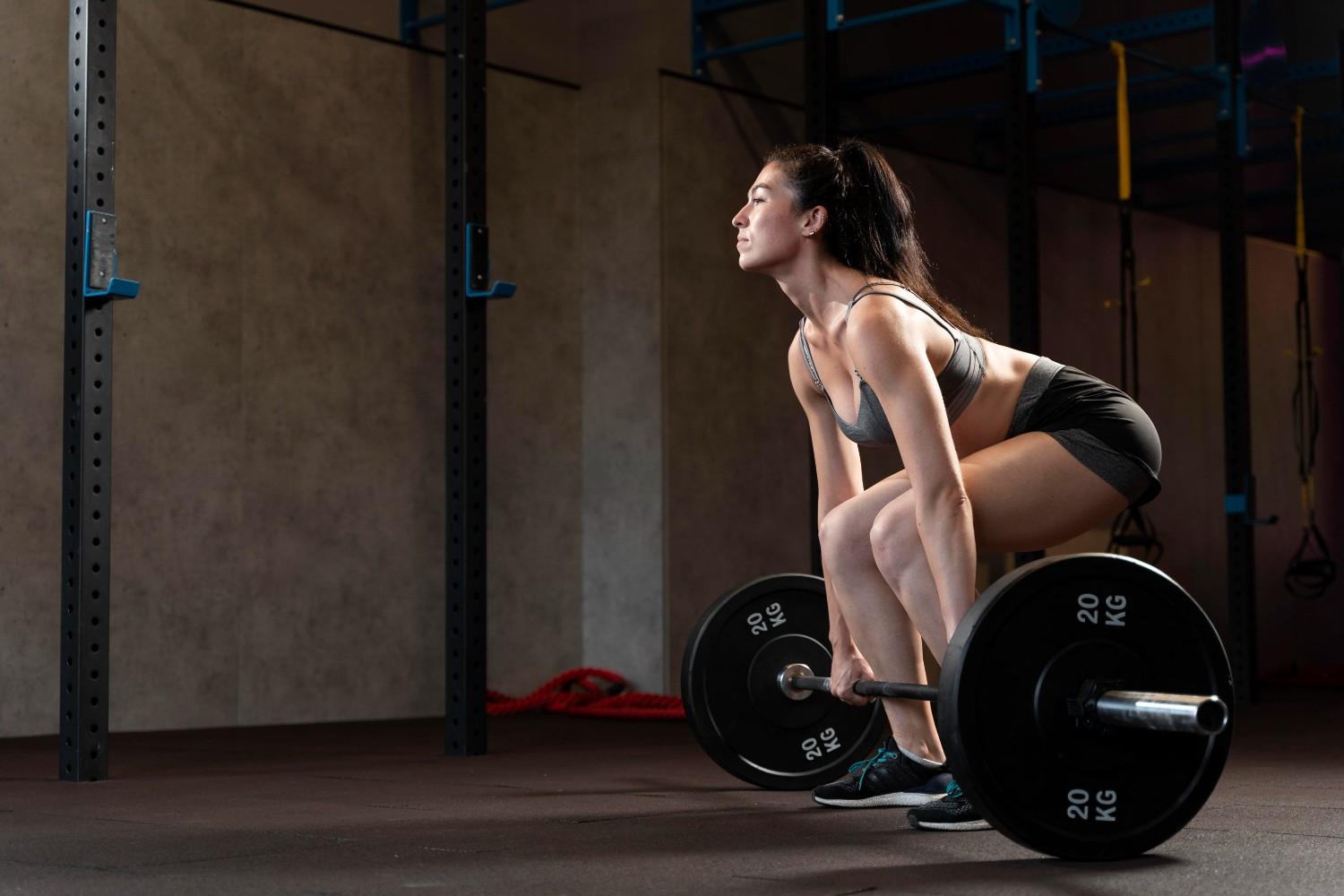
Weight Lifting Benefits for Fat Loss
- Boosts Metabolism: Muscle burns more calories at rest than fat, so increasing muscle mass raises your resting metabolic rate.
- Afterburn Effect (EPOC): After intense lifting sessions, your body continues to burn calories at an elevated rate, even when you’re not exercising.
- Improves Body Composition: Strength training helps you build lean muscle, which can make you appear more toned, even if the scale doesn’t drop drastically.
Cardio vs. Lifting: Which is More Effective for Fat Loss?
The battle between cardio and lifting comes down to how each exercise impacts fat loss. While cardio may give you immediate results, lifting offers long-term benefits. Let’s explore how both stack up in the fat loss department.
1. Calorie Burning During Exercise
- Cardio: When you perform cardio, especially at high intensity, you burn a significant number of calories. For example, running can burn 600-800 calories per hour, depending on speed and intensity. This makes cardio a great choice for quick fat loss.
- Lifting: Strength training burns fewer calories during the workout itself compared to cardio. However, lifting leads to muscle growth, which means more calories burned at rest.
2. Sustaining Fat Loss Over Time
- Cardio: Cardio helps you burn calories quickly, but it doesn’t necessarily boost metabolism once the session is over. If you rely solely on cardio, your body might adapt over time, slowing down the rate of fat loss.
- Lifting: Weightlifting is fantastic for sustaining fat loss in the long term. As you build muscle, your body’s metabolism increases. This means you continue to burn fat even on rest days. Over time, lifting helps you create a leaner, more toned physique.
3. Time Efficiency
- Cardio: Cardio, especially HIIT, can burn a lot of calories in a short amount of time, making it ideal for those with busy schedules. A 20-minute HIIT session may burn just as many calories as a longer, steady-state cardio workout.
- Lifting: While weightlifting might require more time in the gym, it provides greater fat-burning potential in the long run. A full-body strength session typically lasts about 45-60 minutes.
Can You Combine Cardio and Lifting for Maximum Fat Loss?
For the best results, combine both cardio and lifting. Here’s why:
- Build Muscle and Burn Calories Simultaneously: Lifting helps build muscle, which increases your metabolism, while cardio helps burn fat and calories.
- Optimal Results: Alternating between cardio and lifting workouts ensures a comprehensive approach to fat loss. You can build muscle while also maximizing calorie burn.
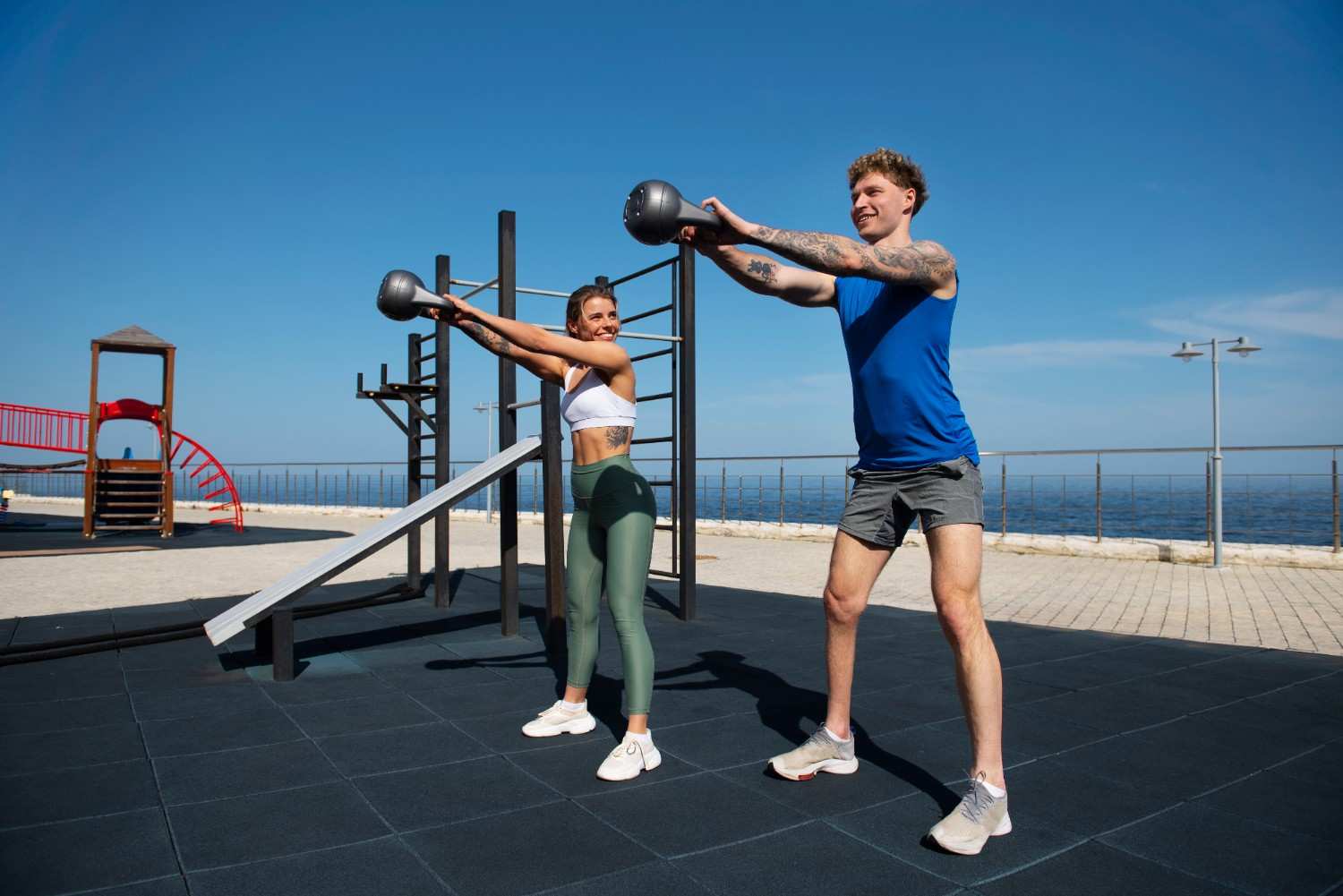
Example Routine: Cardio and Lifting Combo for Fat Loss
- Day 1: Full-body strength training + 20 minutes of moderate-intensity cardio (e.g., cycling).
- Day 2: HIIT cardio session (e.g., sprint intervals).
- Day 3: Rest or active recovery (e.g., walking, stretching).
- Day 4: Full-body strength training + 30 minutes of steady-state cardio (e.g., jogging).
- Day 5: HIIT cardio or a fun activity (e.g., swimming, rowing).
- Day 6: Rest or active recovery.
- Day 7: Repeat the cycle.
Frequently Asked Questions (FAQ)
1. Which is better for fat loss: cardio or lifting?
It depends on your goals. For quick fat burning, cardio is effective. However, lifting helps build muscle, boosts metabolism, and leads to long-term fat loss. Combining both offers the best results.
2. How many times a week should I do cardio for fat loss?
Aim for 3-5 cardio sessions per week. Mix steady-state cardio with HIIT for optimal fat loss and endurance.
3. Can I lose fat by only lifting weights?
Yes, lifting weights can help with fat loss by increasing muscle mass and metabolism. However, combining strength training with cardio can accelerate the fat-burning process.
Conclusion: The Best Approach for Fat Loss
When it comes to fat loss, both cardio and lifting play essential roles. Cardio is great for immediate calorie burn and improving endurance, while lifting helps increase muscle mass and boosts metabolism over time. For optimal fat loss, a combination of both cardio and lifting will provide the best results.
Pro Tips for Maximizing Fat Loss:
- Include strength training at least 2-3 days per week to build muscle.
- Do cardio 3-5 times a week, alternating between steady-state and HIIT.
- Follow a balanced diet with plenty of protein to fuel muscle growth and aid recovery.
- Get plenty of rest to support muscle recovery and fat loss.
By adopting a balanced exercise routine that includes both cardio and lifting, you’ll maximize fat loss, build lean muscle, and improve your overall health.