

Working out is essential for maintaining a healthy lifestyle, but it also comes with its fair share of risks, particularly if safety precautions aren’t followed. Whether you’re lifting weights, running, or engaging in high-intensity interval training (HIIT), it’s crucial to take steps that reduce the likelihood of injury. Preventing injuries while working out not only ensures you stay on track with your fitness goals but also helps maintain long-term physical health.
In this guide, we’ll dive into practical strategies and key practices to help you prevent injuries during your workout routine, all backed by expert advice and research.
Warm-Up: The Foundation of Injury Prevention
One of the most essential steps in any workout is a proper warm-up. Skipping this vital part of your exercise routine can lead to muscle strain, ligament sprains, and even joint injuries.
Why Warming Up Matters
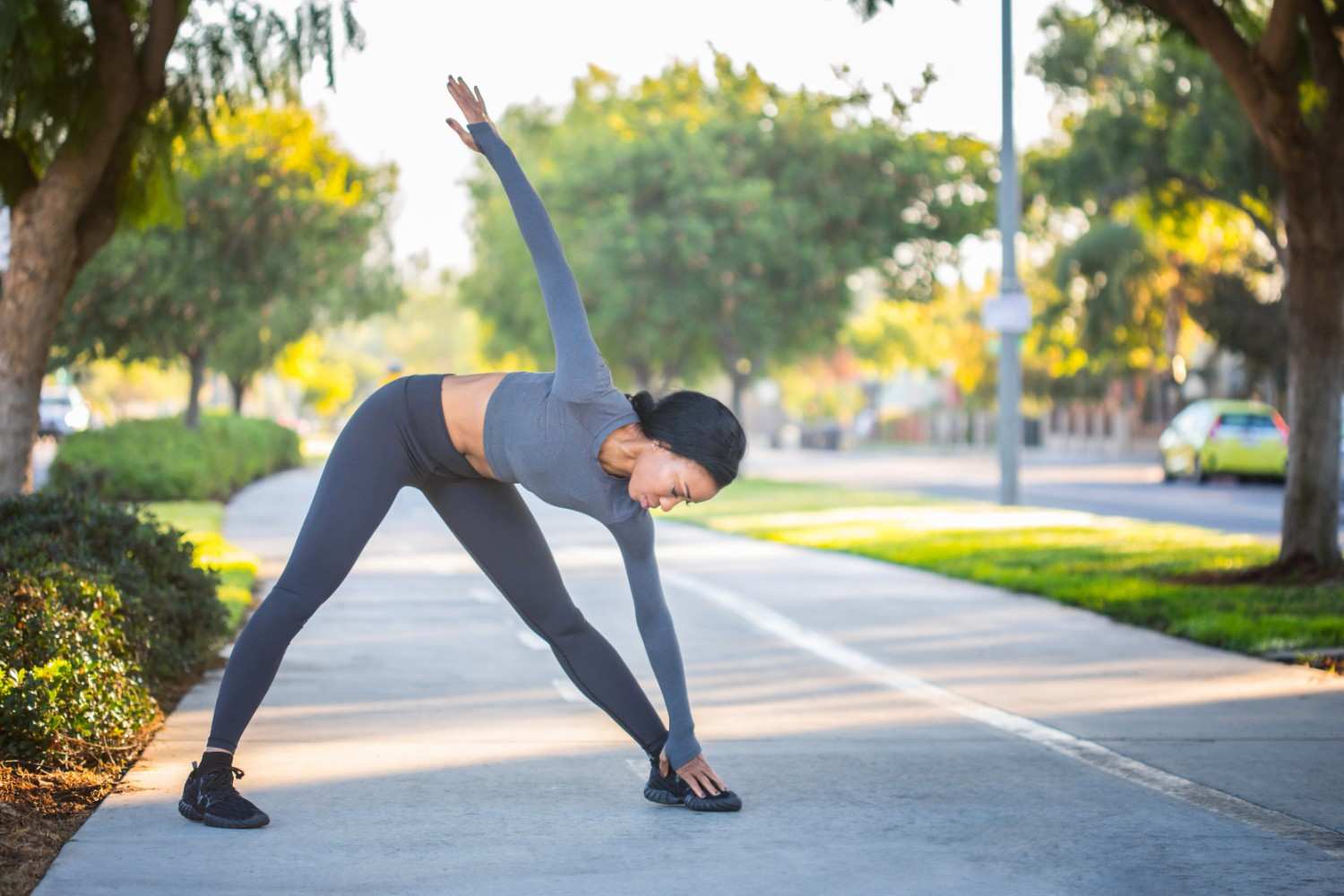
Warming up increases your heart rate and blood flow to your muscles, making them more flexible and less prone to injury. It also activates your central nervous system, improving your coordination and reaction times during your workout.
Effective Warm-Up Strategies
To warm up correctly, aim for 5-10 minutes of light cardio, such as brisk walking, cycling, or dynamic movements like arm circles and leg swings. Incorporating mobility exercises that target the muscles you plan to work will also help prepare them for more intense activity. For instance, if you’re focusing on legs, dynamic stretches like walking lunges or bodyweight squats are ideal.
Proper Form: Ensuring You Do Exercises Correctly
Maintaining proper form during workouts is crucial for preventing injuries. Poor technique can cause unnecessary stress on your joints, ligaments, and muscles, increasing the risk of injury.
Common Exercise Mistakes
In exercises like squats, deadlifts, or even push-ups, improper form can lead to muscle imbalances, strained joints, and stress on ligaments. For example, in squats, letting your knees extend past your toes can lead to knee injuries, while rounding your back during deadlifts can cause lower back pain.
Tips for Maintaining Proper Form
- Learn from a Professional: If you’re new to an exercise, it’s helpful to get guidance from a personal trainer or physical therapist. They can teach you the correct posture and movement.
- Use Mirrors or Video: If you’re working out alone, using a mirror or recording videos of yourself can help you monitor your form.
- Start with Lighter Weights: Gradually increase weights as your form improves. Don’t jump into heavy lifting too quickly, as this increases the risk of strain.
Listen to Your Body: Don’t Push Through Pain
While pushing through discomfort can be a good mental challenge, pushing through pain is a surefire way to get injured. It’s important to distinguish between the “burn” of a workout and the sharp pain that signals something is wrong.
Recognizing the Difference
- Good Discomfort: Mild soreness during a workout is normal and typically indicates you’re challenging your muscles. You might feel tired or fatigued, but this isn’t harmful.
- Bad Pain: Sharp pain or discomfort in your joints, bones, or tendons could indicate an injury, such as a sprain, tear, or fracture.
How to Listen to Your Body
- Rest when Needed: Don’t be afraid to take breaks when you feel your body needs it. Overtraining can cause more harm than good.
- Use the “Two-Day Rule”: If soreness lasts for more than two days, it’s a sign you may have pushed too hard, or your body isn’t recovering properly. In such cases, consider seeing a professional.
Stretching and Flexibility: Key for Joint Health
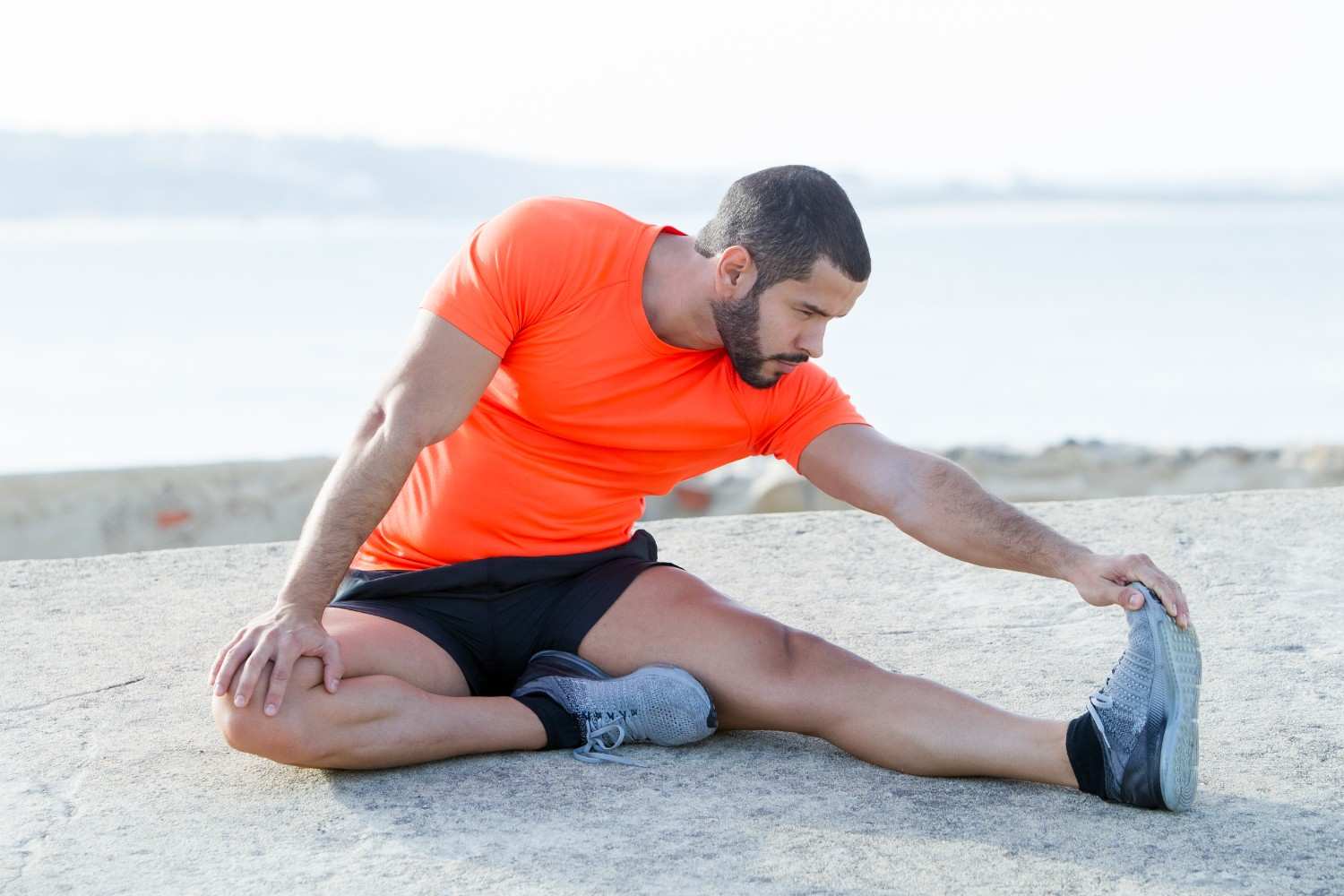
Incorporating stretching into your routine is vital for enhancing flexibility, which can help prevent muscle strains and joint injuries. Regular stretching can help improve your range of motion, allowing for more efficient and safer movement patterns.
Dynamic vs. Static Stretching
- Dynamic Stretching: This involves moving parts of your body and gradually increasing the reach or speed of the movement. Dynamic stretches are best before a workout, as they activate muscles and improve mobility.
- Static Stretching: Holding a stretch for a set period (usually 15-30 seconds) is best post-workout. Static stretches help relax muscles and improve flexibility over time.
Examples of Effective Stretches
- Dynamic: Leg swings, arm circles, torso twists.
- Static: Hamstring stretch, quadriceps stretch, shoulder stretch.
Use the Right Equipment: Protect Your Body
Having the right gear for your workout can play a significant role in injury prevention. This includes everything from choosing the correct footwear to using supportive gear like knee sleeves or wrist wraps for heavy lifts.
Footwear: The Foundation of Safety
Wearing the correct shoes is essential for proper foot and ankle support. For activities like running, a cushioned shoe designed to absorb impact is crucial. For weightlifting, flat-soled shoes are better as they offer stability during heavy lifts.
Other Essential Gear
- Wrist Wraps: If you’re lifting heavy, wrist wraps provide additional support and reduce the risk of sprains.
- Knee Sleeves: For individuals with a history of knee injuries or those performing high-intensity lower body exercises, knee sleeves can offer support and reduce strain.
- Resistance Bands: These are excellent tools for injury prevention, allowing you to focus on activating and strengthening muscles around vulnerable joints.
Cooling Down: Preventing Stiffness and Promoting Recovery
Much like warming up, cooling down after a workout is often overlooked. Cooling down helps your body gradually return to its resting state, reducing muscle stiffness and enhancing flexibility.
Cooling Down Properly
After your workout, take 5-10 minutes to lower your heart rate with light cardio, followed by static stretching. Focus on the muscle groups you’ve worked during your session. This process helps remove lactic acid buildup and promotes faster muscle recovery.
Frequently Asked Questions
1. What is the best way to prevent injury when lifting weights?
The best way to prevent injury when lifting weights is to focus on proper form and technique. Start with lighter weights, increase gradually, and always warm up before beginning your session.
2. Can stretching prevent injury?
Yes, regular stretching, especially dynamic stretching before a workout, improves flexibility and reduces the risk of muscle strains and ligament injuries.
3. How can I prevent injury in high-impact activities like running?
Ensure you’re wearing proper footwear, warm up properly, and gradually increase your intensity. Avoid overtraining, and listen to your body if you feel any discomfort.
Key Injury Prevention Tips in a Nutshell
| Tip | Why It Helps | How to Do It |
| Warm-Up | Prepares muscles for activity | 5-10 minutes of light cardio |
| Proper Form | Reduces strain on joints and muscles | Use mirrors, trainers, or videos |
| Stretching | Enhances flexibility and mobility | Dynamic stretches before, static after |
| Listen to Your Body | Avoids overuse and injury | Take breaks, rest when needed |
| Appropriate Gear | Provides support and safety | Choose the right footwear and equipment |
By following these key injury prevention strategies, you can enjoy your workouts without the fear of getting hurt. Whether you’re a seasoned athlete or just starting your fitness journey, taking the time to warm up, use proper form, listen to your body, and cool down will not only keep you safe but also help you maximize your performance.