
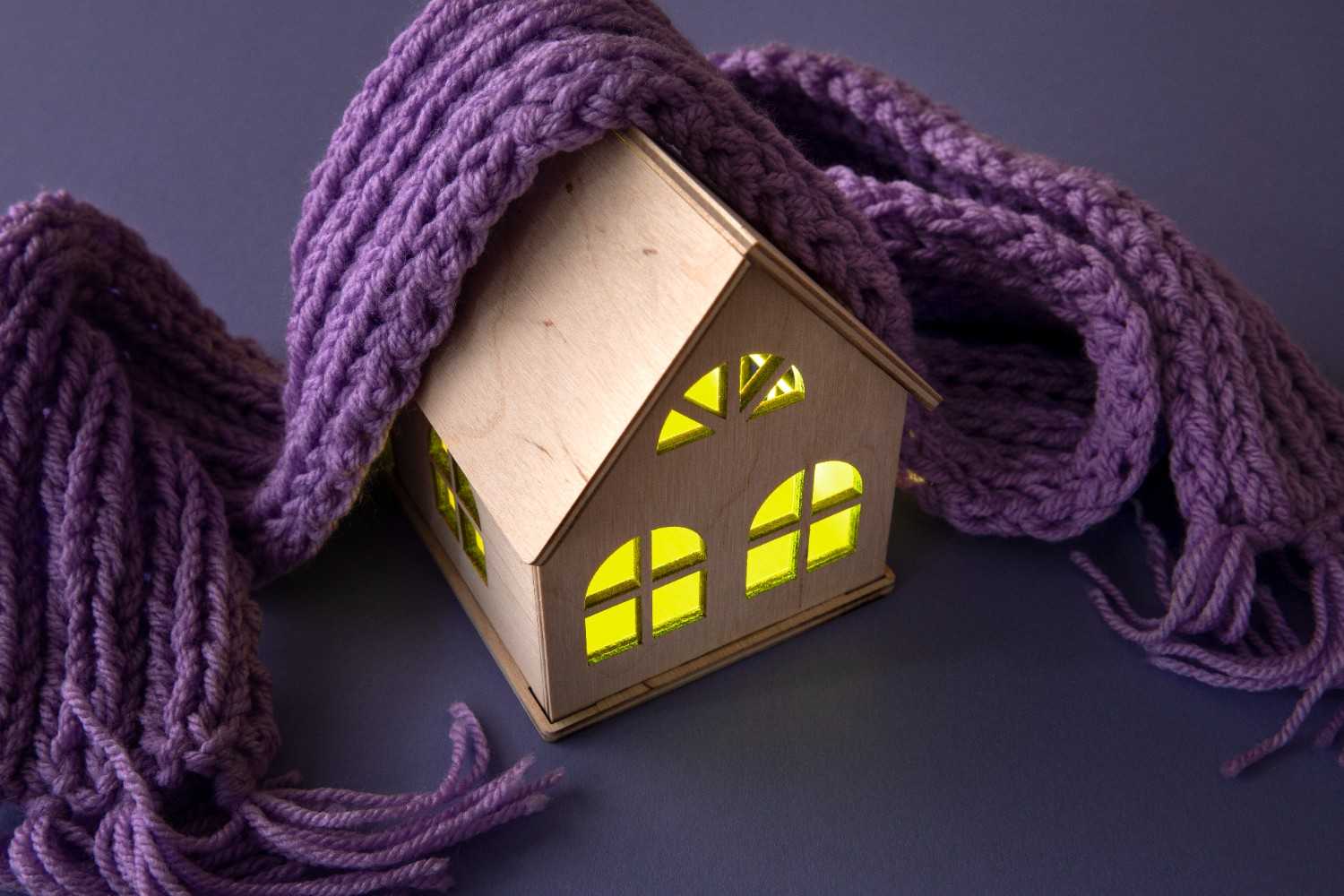
Your home should be comfortable year-round, but if it feels too hot or cold even with the HVAC running, poor insulation might be to blame. Inadequate insulation can affect your home’s energy use, comfort, air quality, and even its structural condition. Insulation works by slowing heat transfer, keeping your home warm in the winter and cool in the summer. When it’s old, damaged, or poorly installed, your HVAC system has to work harder to maintain a stable temperature.
For homeowners with fluctuating temperatures, upgrading your insulation can make a big difference. Recognizing the warning signs will help you decide when it’s time for a change.
Your Energy Bills Keep Getting Higher
One of the most common signs of poor insulation is a steady rise in your energy bills. If your heating and cooling costs increase without a clear reason, your home is likely losing treated air through poorly insulated spaces. This forces your HVAC system to run longer and work harder to maintain the temperature set on your thermostat.
Inadequate attic, wall, or crawl space insulation allows heat to escape in the winter and seep in during the summer. Even small gaps can lead to significant energy waste over time. If your utility bills seem unusually high, checking your insulation is a smart first step toward making your home more efficient.
Some Rooms Feel Too Hot or Too Cold

Inconsistent room temperatures are another key sign that your home needs better insulation. You might notice one bedroom feels cold while the living room is warm. Upstairs rooms could feel hotter than the rest of the house, or a basement might stay chilly even with the heat on. These temperature differences often occur when certain areas of the home, like attics, exterior walls, garages, and crawl spaces, are not properly insulated.
Air leaks around windows and doors can also worsen the problem. Improving your insulation can help create a more consistent and comfortable indoor environment.
Your HVAC System Runs Too Often
Your heating and cooling system should cycle on and off periodically. If it seems to be running constantly, poor insulation might be to blame. When conditioned air escapes, your HVAC system has to work harder to maintain the desired temperature. This constant operation can lead to higher utility bills, increased wear and tear, and a shorter lifespan for your system. It can also make your home less comfortable by causing temperature fluctuations.
Upgrading your insulation helps your home retain its temperature, reducing the strain on your HVAC equipment and allowing it to run more efficiently. If moisture issues, pipe condensation, or hidden leaks are also affecting your walls or crawl spaces, consulting professional plumbers can help address those problems before new insulation is installed.
You Feel Drafts Around the Home
Drafts are a clear sign that outside air is getting into your home. You might notice them near windows, doors, baseboards, electrical outlets, or attic access points. These drafts can make parts of your house uncomfortable and force your heating or cooling system to work harder. Although air sealing is the primary solution, insulation is also crucial.
If insulation is missing or inadequate, air can easily pass through gaps, making your home colder in winter and warmer in summer. It’s important to address drafts, as they indicate that your home is losing both energy and comfort.
Your Walls, Floors, or Ceilings Feel Cold
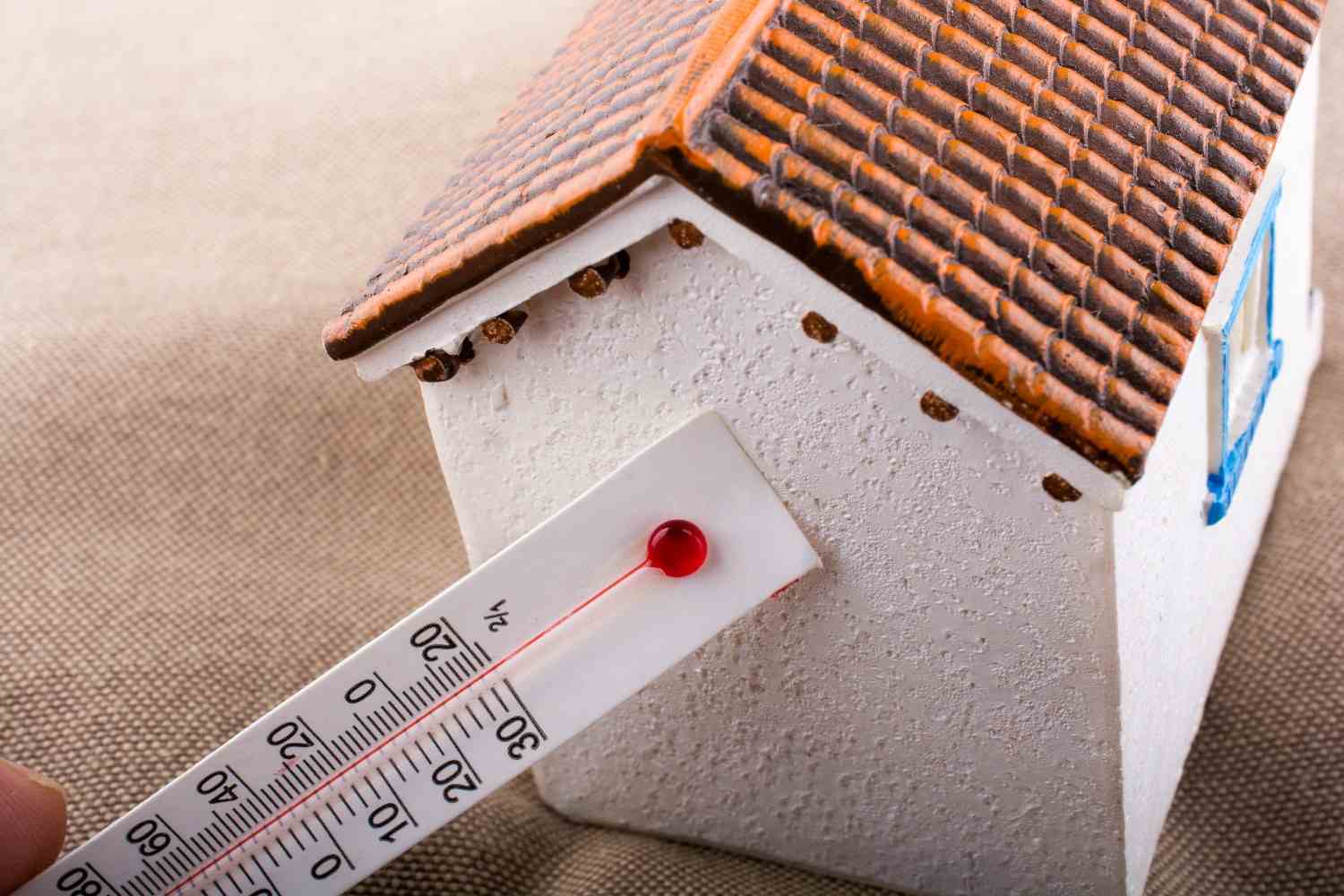
If your walls, floors, or ceilings feel unusually cold in winter or warm in summer, your insulation may be inadequate. These surfaces shouldn’t feel close to the outdoor temperature; when they do, it means heat is moving too easily through them. Cold floors can point to poor crawl space or basement insulation, while warm ceilings may suggest attic insulation problems.
Similarly, cold walls can indicate that the insulation inside them is missing, old, or ineffective. Simply touching these surfaces can help reveal hidden insulation issues, which are worth investigating before they become more expensive to fix.
Your Home Has Moisture or Mold Issues
Poor insulation can also lead to moisture problems. When warm and cold air mix in inadequately insulated spaces, condensation can form. Over time, this moisture can cause mold, mildew, stains, and musty odors, particularly around walls, ceilings, and in attics or crawl spaces. Ineffective insulation also makes it harder to control indoor humidity, especially if air leaks are present.
Addressing these moisture issues promptly is crucial. Improving your home’s insulation, ventilation, and air sealing can prevent long-term damage.
Your Attic Insulation Looks Thin or Damaged
Your attic is one of the most critical places to check for insulation issues. Heat rises, so a poorly insulated attic can be a major source of energy loss. If the insulation appears thin, uneven, compressed, wet, or damaged, it’s likely not providing adequate protection. Over time, insulation can settle or be disturbed by pests, leaks, or stored items.
If you notice gaps, bare spots, or areas where the insulation is lower than the surrounding joists, it’s a sign that you may need an upgrade. Proper attic insulation plays a significant role in maintaining indoor comfort and energy efficiency throughout your entire home.
Your Home Feels Noisy Inside
Insulation doesn’t just control temperature—it can also reduce noise. If you frequently hear outdoor sounds like traffic, wind, or neighbors inside your home, poor insulation might be the culprit. Sound travels more easily through poorly insulated walls, attics, and floors. While proper insulation won’t block all noise, it can make your home significantly quieter and more peaceful, improving both comfort and energy efficiency.
Your Home Is Older and Has Not Been Updated
Older homes often have outdated or insufficient insulation for modern comfort needs. Building standards have evolved, and insulation materials can degrade over time. If your home’s insulation has never been updated, it might be time for an inspection. Seasonal temperature shifts can also highlight poor insulation performance.
If your home feels uncomfortable, drafty, or expensive to heat and cool, an insulation inspection can identify problem areas. Many homeowners seek insulation services in West Haven to improve comfort, reduce energy waste, and enhance their home’s year-round performance.
Conclusion
Proper insulation can make a significant difference in your home’s comfort and energy efficiency. Signs like high utility bills, uneven temperatures, drafts, cold surfaces, moisture problems, thin attic insulation, and constant HVAC use indicate that your home might need an insulation update. A well-insulated home is more comfortable, quieter, and easier to manage seasonally.
If you notice these warning signs, inspecting your insulation is a wise step toward protecting your home and improving daily comfort.