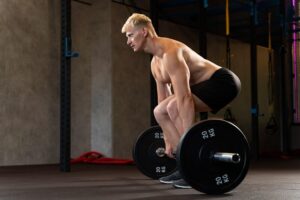
Pushing your body to the limit requires an equally dedicated approach to healing. Professional and amateur athletes alike understand that training breaks down muscle tissue, but the actual strengthening happens during rest. Optimizing that downtime is critical for anyone looking to improve endurance, build strength, and avoid chronic injuries.
To speed up muscle repair and reduce soreness, sports professionals utilize a variety of targeted devices. These tools help increase blood flow, decrease inflammation, and release muscle tension. They allow you to return to your sport feeling refreshed rather than fatigued.
Understanding the equipment available can significantly improve your post-workout routine. Here are seven of the most common recovery tools athletes rely on to maintain their competitive edge.
1. Foam Rollers
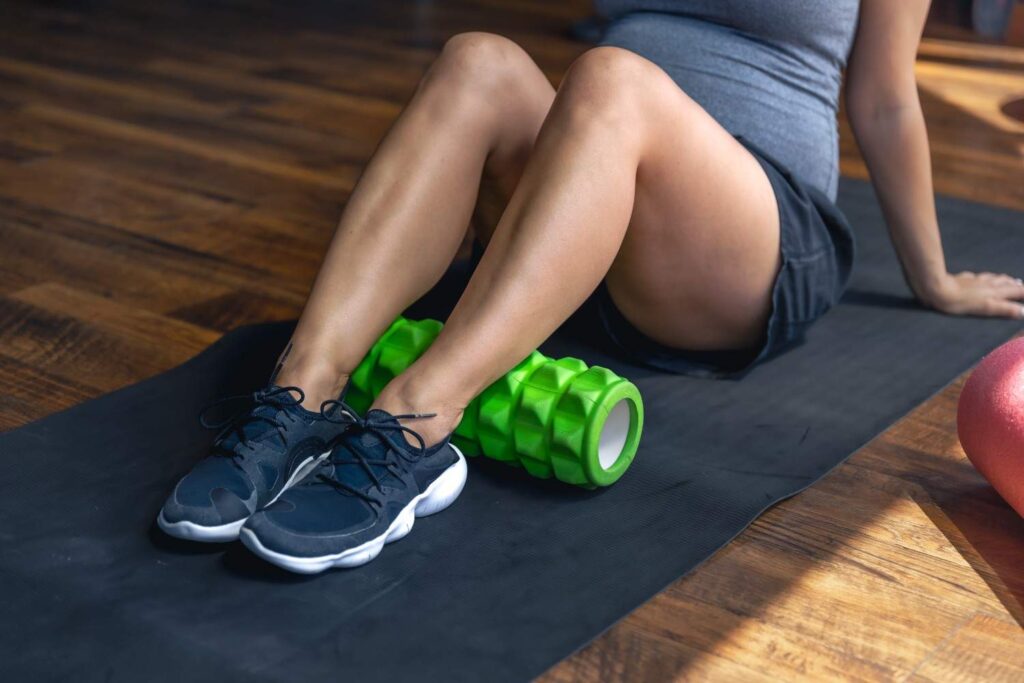
Foam rolling is a staple in almost every gym and physical therapy clinic. This simple cylindrical tool facilitates myofascial release, a process that helps smooth out tight connective tissues surrounding the muscles.
By applying your own body weight against the roller, you can target specific knots and trigger points. The pressure encourages blood flow to the affected areas, bringing essential nutrients that speed up the healing process. Many athletes spend ten to fifteen minutes on a foam roller after a heavy lifting session or long run to prevent severe delayed onset muscle soreness (DOMS).
2. Percussive Massage Therapy Guns
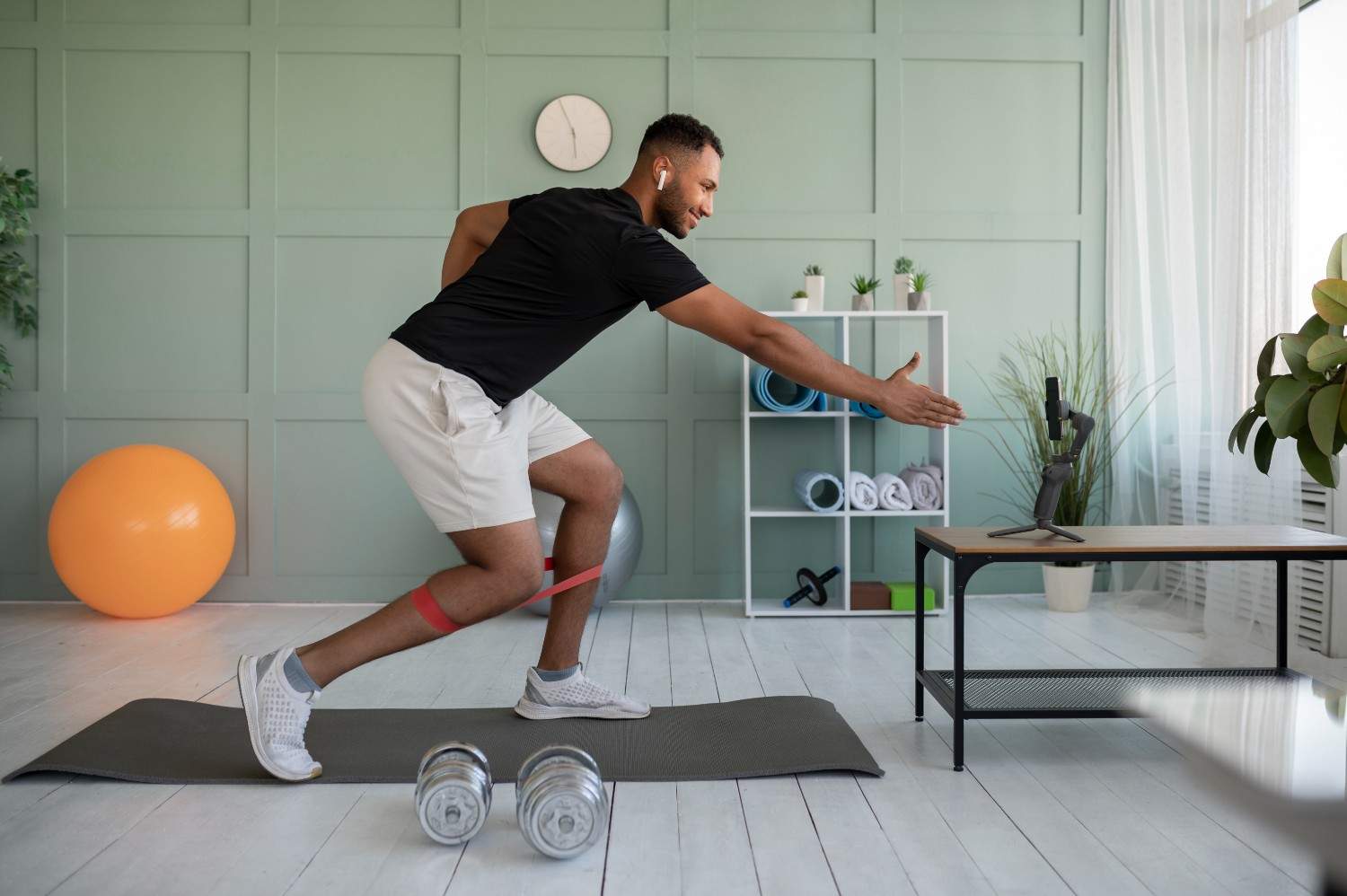
Massage guns have skyrocketed in popularity due to their portability and immediate impact on tight muscles. These handheld devices use rapid strokes to stimulate blood flow and loosen stiff tissues, making them a useful addition alongside Exercises to Do Every Day for better mobility and recovery.
The high-frequency pulses reach deep into the muscle belly. This action not only relieves tension but also helps break up scar tissue from micro-tears caused by intense exercise. Users can easily swap out different attachment heads to focus on large muscle groups like the quads or pinpoint smaller areas like the calves and forearms.
3. Compression Garments
Wearing tightly fitted clothing designed specifically for recovery is a passive yet highly effective strategy. Compression socks, tights, and sleeves apply graduated pressure to the limbs.
This sustained pressure helps push deoxygenated blood back toward the heart, clearing out metabolic waste products like lactic acid. Athletes frequently wear these garments immediately following a race or during long flights to prevent swelling and maintain optimal circulation.
4. Cold Water Immersion Therapy
Ice baths remain a traditional and powerful method for rapid recovery, particularly after high-impact sports. Submerging the body in cold water causes blood vessels to constrict instantly.
Once you step out of the cold water, your body rapidly warms up, causing the blood vessels to dilate. This flush of fresh, oxygen-rich blood helps flush out waste products and significantly reduces acute inflammation. Cold water immersion is especially beneficial during intense tournament weekends when athletes need to perform at their peak on consecutive days.
5. Wearable Recovery Trackers
Monitoring your body’s internal state is just as important as physical interventions. Advanced wearable technology tracks heart rate variability, sleep quality, and respiratory rates to provide a comprehensive recovery score.
Many of these advanced trackers utilize specialized sensors attached directly to the body. To ensure these sensors stay securely in place during heavy sweating and constant movement, developers rely on medical grade adhesive for safe, long-lasting skin contact. By analyzing the data gathered from these devices, athletes can adjust their training intensity based on how well their nervous system has recovered from previous stressors.
6. Pneumatic Compression Devices
Taking traditional compression clothing a step further, pneumatic compression boots use compressed air to massage the legs. Athletes zip themselves into the boots, which then inflate and deflate in a specific sequence.
This pulsing action mimics the body’s natural muscle pump, heavily promoting lymphatic drainage and venous return. Sitting in these boots for thirty minutes after a grueling marathon or intense cycling session can dramatically reduce swelling and leave the legs feeling noticeably lighter.
7. Electromyostimulation (EMS)
EMS devices use sticky electrode pads placed on the skin to deliver mild electrical impulses to targeted muscle groups. These impulses cause the muscles to contract and relax rhythmically.
This artificial pumping action increases local blood circulation without requiring any physical effort from the athlete. EMS is highly useful for active recovery on rest days or during rehabilitation from an injury, as it keeps the muscles engaged and pliable without adding any stress to the joints or tendons.
Building a Sustainable Rest Routine
Finding the right combination of recovery methods depends entirely on your specific sport, training volume, and individual physiology. Some individuals might respond brilliantly to percussive massage, while others prefer the systemic relief of an ice bath.
Integrating a few of these tools into your post-exercise habits can drastically reduce fatigue and protect your body from long-term wear and tear. When comparing Fitness Gimmicks vs Lifestyle Habits, a consistent, well-planned rest routine ensures that every hour spent training translates directly into improved athletic performance.