When it comes to achieving and maintaining a healthy weight or lifestyle, a proper diet plays a key role. However, with countless diet trends and advice available, it can be overwhelming to know what to follow. To simplify, here are 10 diet commandments that everyone can live by to make informed choices and adopt healthier eating habits, without the gimmicks or confusion.
1. Thou Shalt Prioritize Whole Foods Over Processed Ones
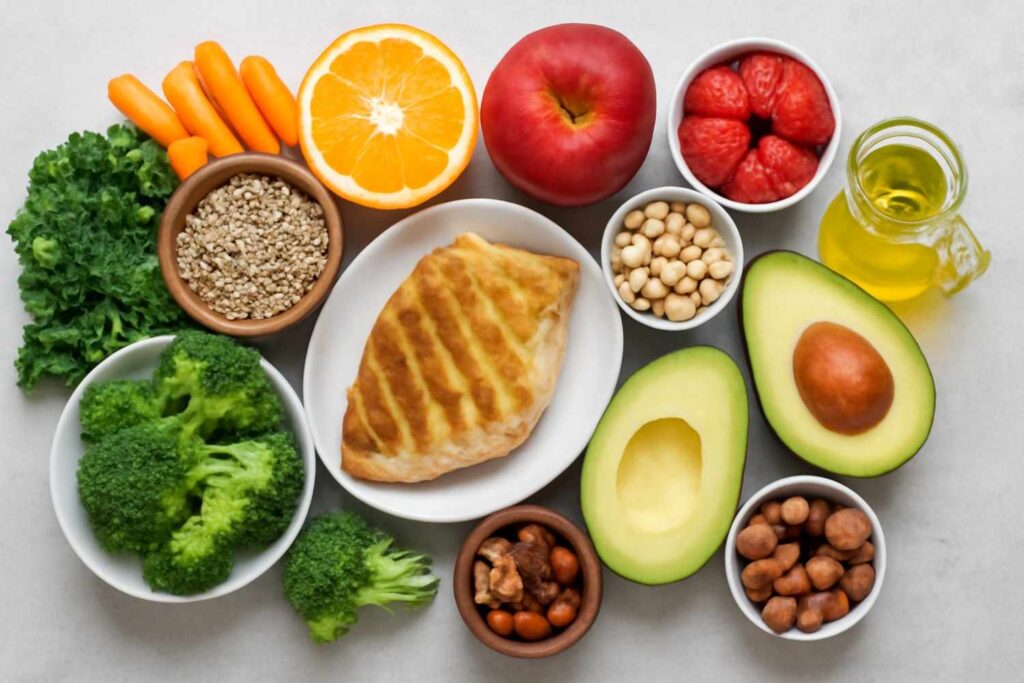
Processed foods often come loaded with added sugars, unhealthy fats, and preservatives. These can cause inflammation, disrupt hormone balance, and promote weight gain. Instead, focus on whole foods such as fresh vegetables, fruits, lean proteins, and whole grains. Not only are these nutrient-dense, but they help you feel full longer, reducing the temptation to snack on unhealthy foods.

Key Whole Foods to Include:
- Vegetables: spinach, kale, carrots, bell peppers
- Fruits: berries, apples, oranges, bananas
- Proteins: chicken, turkey, tofu, eggs
- Whole Grains: quinoa, brown rice, oats, whole wheat bread
2. Thou Shalt Eat a Balanced Diet
A balanced diet includes all three macronutrients: proteins, carbohydrates, and fats. Each plays a vital role in keeping your body energized and nourished. Protein supports muscle repair and growth, carbohydrates fuel your body’s energy needs, and healthy fats are essential for brain function and hormone regulation.
A Sample Balanced Meal:
- Grilled chicken breast (protein)
- Quinoa (carb)
- Avocado (healthy fat)
- Steamed broccoli (fiber)
3. Thou Shalt Control Portion Sizes
While eating healthy foods is important, it’s just as essential to be mindful of your portion sizes. Overeating, even healthy foods, can lead to an excess of calories. By paying attention to portion sizes and practicing mindful eating, you can maintain a healthier weight and avoid overeating.
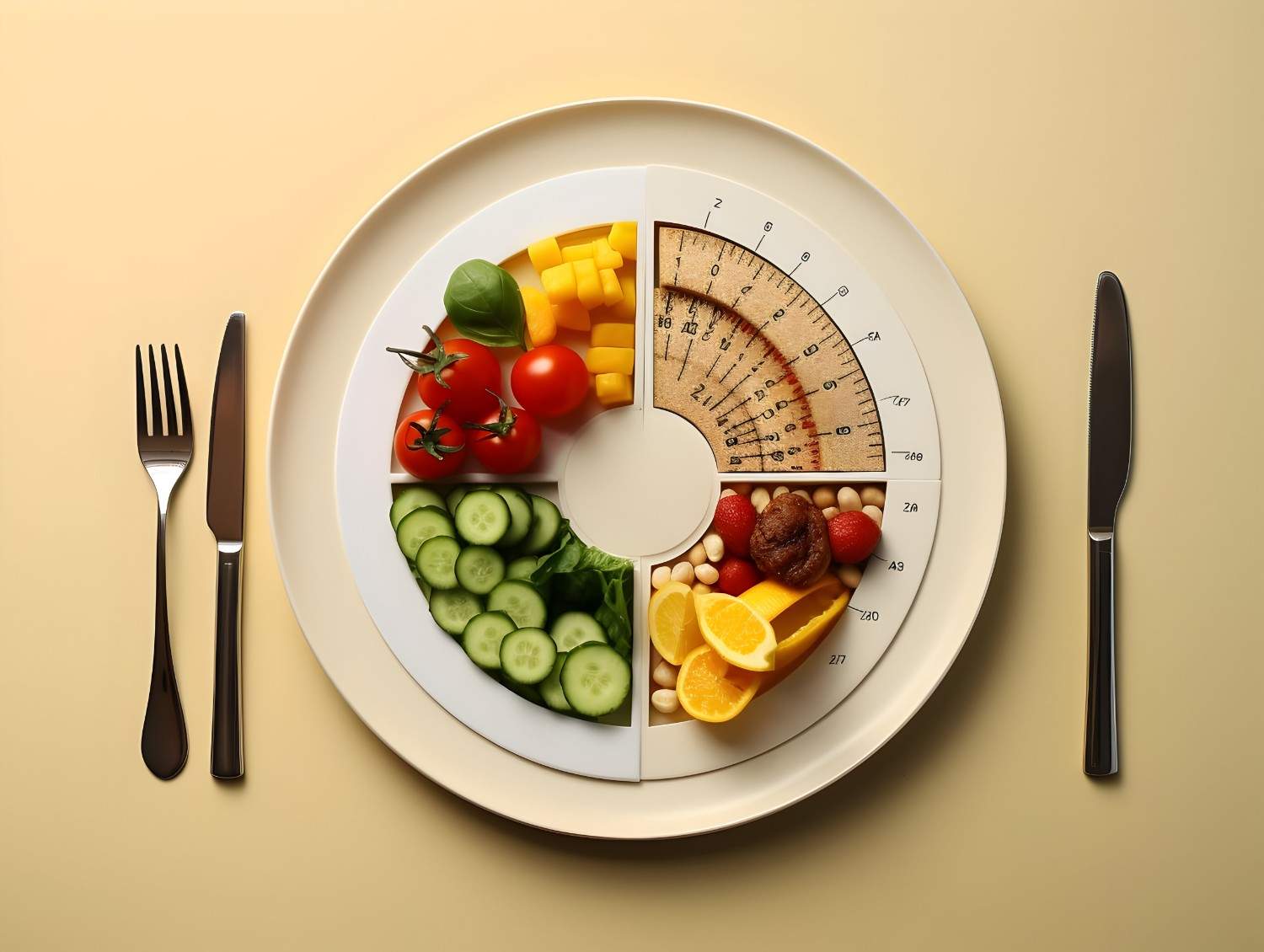
Portion Control Tips:
- Use smaller plates or bowls to help regulate portions.
- Listen to your hunger cues—eat when you’re hungry, and stop when you’re satisfied.
- Try using the “hand method” to estimate portions: one palm for protein, one fist for carbs, one thumb for fats.
4. Thou Shalt Stay Hydrated
Hydration is a fundamental aspect of a healthy diet. Water aids in digestion, improves metabolism, and supports brain function. Additionally, sometimes your body may confuse thirst with hunger, leading you to eat when a glass of water would suffice.
Hydration Tips:
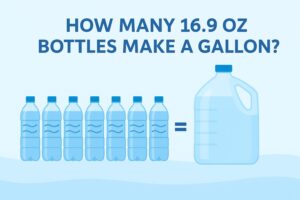
- Aim for at least 8 glasses (64 oz) of water per day.
- Drink water before meals to help control appetite.
- Opt for water, herbal teas, or sparkling water over sugary beverages.
5. Thou Shalt Limit Added Sugar
Added sugars are found in many processed foods, sugary beverages, and snacks. They provide empty calories that can contribute to weight gain, insulin resistance, and other chronic diseases. It’s important to limit your intake and opt for natural sources of sweetness such as fruits.
Foods High in Added Sugars to Avoid:
- Sugary soft drinks
- Candy and sweets
- Prepackaged baked goods
- Flavored yogurts
6. Thou Shalt Embrace Healthy Fats
Fats are an essential part of your diet, but not all fats are created equal. While trans fats and saturated fats can raise cholesterol levels and increase the risk of heart disease, unsaturated fats can promote heart health. Incorporate sources of healthy fats, such as avocado, nuts, seeds, and olive oil.
Healthy Fats to Include:
- Avocado
- Nuts and seeds (almonds, chia seeds)
- Olive oil and coconut oil
- Fatty fish (salmon, mackerel)
7. Thou Shalt Include Fiber-Rich Foods
Fiber plays a crucial role in digestion, blood sugar regulation, and weight management. It helps keep you feeling full and supports a healthy gut microbiome. Aim to include a variety of fiber-rich foods such as vegetables, fruits, whole grains, and legumes.
High-Fiber Foods:
- Legumes: lentils, chickpeas, black beans
- Whole grains: oats, barley, quinoa
- Vegetables: spinach, peas, sweet potatoes
- Fruits: raspberries, pears, apples
8. Thou Shalt Plan Your Meals
Meal planning is a powerful tool for sticking to your healthy eating goals. By preparing meals in advance, you reduce the likelihood of grabbing unhealthy snacks or ordering takeout when you’re hungry. Take time each week to plan meals and snacks that fit your diet goals, ensuring you always have healthy options available.
Meal Planning Tips:
- Batch cook healthy meals for the week (e.g., soups, stews, salads).
- Prep vegetables and fruits ahead of time for easy snacking.
- Plan for snacks that include protein and fiber to curb hunger.
9. Thou Shalt Eat Mindfully
Mindful eating means paying attention to what you eat, how you eat, and why you eat. Avoid distractions like TV or smartphones, and focus on the flavors, textures, and satisfaction of the food. Mindful eating helps with digestion, improves portion control, and reduces the likelihood of overeating.

Mindful Eating Practices:
- Slow down and chew your food thoroughly.
- Avoid multitasking while eating.
- Pay attention to hunger and fullness cues.
10. Thou Shalt Practice Consistency, Not Perfection
A healthy diet is not about perfection; it’s about making consistent, sustainable choices. Allow yourself the occasional indulgence, but focus on making healthy decisions most of the time. Consistency is key to achieving long-term health goals.
Tips for Consistency:
- Set realistic, achievable goals.
- Make small, gradual changes to your diet.
- Don’t punish yourself for occasional treats—enjoy them in moderation.
Frequently Asked Questions
1. What should I eat for weight loss?
For weight loss, focus on whole foods like lean proteins, vegetables, fruits, and whole grains. Avoid sugary drinks, processed snacks, and excess fats. Portion control and regular physical activity are also important.
2. Can I eat carbs and still lose weight?
Yes, carbs are essential for energy, but it’s important to choose complex carbs such as whole grains, legumes, and vegetables. Limit refined carbs like white bread and sugary snacks.
3. How much protein should I eat daily?
The general recommendation is 0.8–1.0 grams of protein per kilogram of body weight for the average person. Athletes or those building muscle may need more. Protein helps with muscle repair and keeps you full.
Key Takeaways
By following these 10 diet commandments, you can establish a balanced and sustainable approach to eating that promotes overall health. Focus on whole foods, stay hydrated, prioritize nutrient-dense meals, and practice mindful eating. Remember, consistency is more important than perfection, and adopting these commandments will lead you toward long-term wellness without restrictive dieting.