
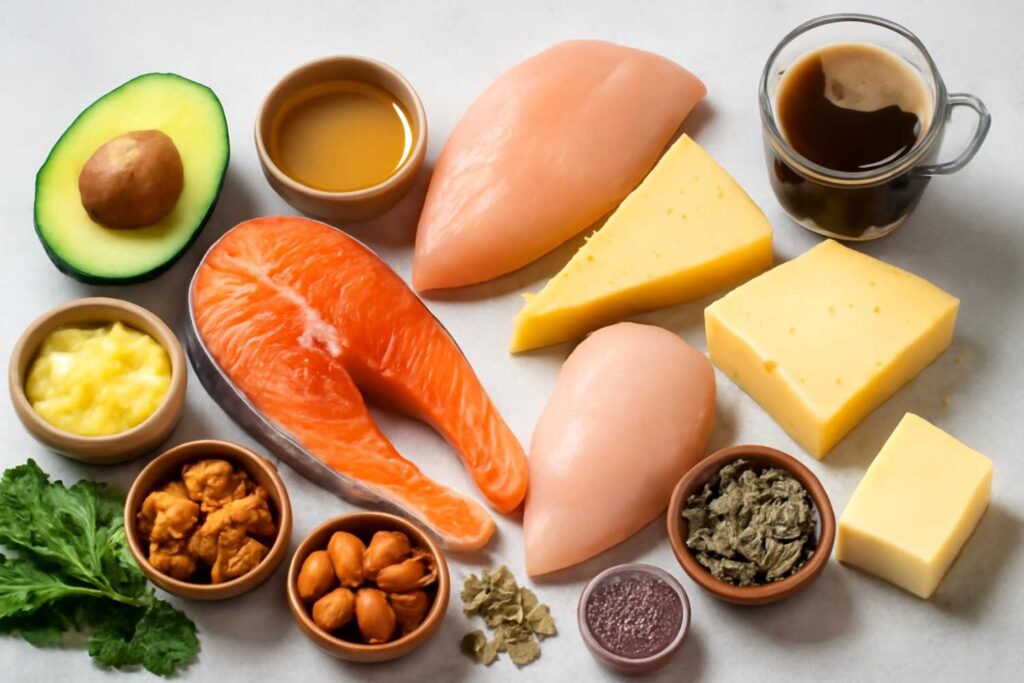
The keto diet has surged in popularity over recent years, with countless individuals turning to this high-fat, low-carbohydrate approach to improve their health and manage their weight. By drastically reducing carbohydrate intake and replacing it with healthy fats, the keto diet shifts the body’s metabolism from burning glucose for energy to burning fat. This metabolic state is called ketosis, and it’s central to the diet’s effectiveness. In this article, we’ll explore the principles behind the keto diet, its benefits, potential risks, and how to implement it successfully.
What is the Keto Diet?
The ketogenic diet, or keto diet, is a high-fat, moderate-protein, and low-carbohydrate eating plan. By drastically cutting carbs, your body enters ketosis—a natural metabolic state where fat is used as the primary energy source instead of carbohydrates.
When you consume carbohydrates, your body converts them into glucose, which is then used for energy. On the keto diet, however, by restricting carbs, the liver begins to convert fats into ketones, which are then used as an alternative fuel source for your body and brain. This shift from glucose to ketones is believed to offer numerous health benefits.

How the Keto Diet Works
To achieve and maintain ketosis, the diet typically restricts carbohydrates to about 5-10% of total daily calories, with the remaining calories coming from healthy fats (70-80%) and protein (20-25%).
Here’s a breakdown of the macronutrient distribution on the keto diet:
| Macronutrient | Percentage of Total Calories |
| Fats | 70-80% |
| Protein | 20-25% |
| Carbohydrates | 5-10% |
By adhering to these macronutrient ratios, the body is encouraged to break down fats and produce ketones, leading to weight loss and other metabolic benefits.
Benefits of the Keto Diet
The keto diet offers a range of potential benefits, making it an appealing choice for individuals seeking to lose weight or improve their overall health.
Weight Loss and Fat Burning
The keto diet’s primary benefit is weight loss. By encouraging the body to burn fat for fuel, it helps individuals reduce body fat while preserving muscle mass. This is particularly effective for those looking to target stubborn fat areas.
Ketosis also suppresses appetite, which can make it easier to adhere to a calorie deficit without feeling hungry all the time.
Improved Mental Clarity and Focus
The brain typically runs on glucose for energy, but when glucose is in short supply, ketones become a more efficient source of fuel. Some individuals on the keto diet report increased mental clarity, better focus, and enhanced cognitive function as their bodies adapt to using ketones for energy.
Blood Sugar and Insulin Regulation
The keto diet has been shown to improve blood sugar levels and insulin sensitivity, making it beneficial for individuals with type 2 diabetes or those at risk of developing diabetes. By reducing carbohydrate intake, the diet lowers blood glucose spikes and decreases insulin resistance over time.
Enhanced Physical Endurance
While initially the body may experience a drop in energy levels as it adapts to burning fat, athletes and active individuals who follow the keto diet often report improved endurance. The body’s ability to store and access fat as fuel can provide a long-lasting energy source for physical activity, particularly during prolonged exercise sessions.
Foods to Include on the Keto Diet
The foundation of the keto diet revolves around high-fat, low-carbohydrate foods. Here are some foods you should include in your diet:

Healthy Fats
- Avocados
- Olive oil
- Coconut oil
- Grass-fed butter
- Fatty fish (salmon, mackerel)
Protein
- Meat (beef, pork, lamb)
- Poultry (chicken, turkey)
- Eggs
- Tofu and tempeh
- Cheese
Low-Carb Vegetables
- Leafy greens (spinach, kale, arugula)
- Cruciferous vegetables (broccoli, cauliflower, cabbage)
- Zucchini
- Bell peppers
- Mushrooms
Nuts and Seeds
- Almonds, walnuts, macadamia nuts
- Chia seeds, flaxseeds, hemp seeds
Beverages
- Coffee (without sugar)
- Herbal tea
- Bone broth
Foods to Avoid on the Keto Diet
On the keto diet, you’ll need to avoid high-carbohydrate foods that can prevent your body from entering ketosis. Here’s a list of foods to limit or eliminate:

High-Carb Foods
- Bread, pasta, rice
- Sugar and sweets
- Potatoes and starchy vegetables
- Fruit (except for small portions of berries)
- Processed foods and junk food high in carbs
Dairy
- Some dairy products like milk and low-fat yogurt are higher in carbohydrates and should be consumed sparingly.
Legumes
- Beans, lentils, and chickpeas are not allowed on the keto diet due to their high carbohydrate content.
Potential Risks and Considerations
While the keto diet offers significant health benefits, it’s important to be aware of potential risks, especially when followed long-term.
Nutrient Deficiency
Due to the restrictive nature of the keto diet, individuals may experience deficiencies in certain vitamins and minerals, such as magnesium, potassium, and calcium. It’s essential to eat a variety of keto-approved foods and consider supplementation if needed.
Keto Flu
As your body transitions into ketosis, you may experience symptoms such as fatigue, headaches, nausea, and irritability—often referred to as the “keto flu.” These symptoms are temporary and can be minimized by staying hydrated, increasing salt intake, and ensuring adequate electrolytes.
Risk for Individuals with Certain Health Conditions
The keto diet may not be suitable for everyone, particularly those with liver, kidney, or pancreas issues. It’s important to consult with a healthcare professional before starting the keto diet, especially if you have any pre-existing health conditions.
How to Get Started on the Keto Diet
- Calculate Your Macros: Use a keto calculator to determine your daily macronutrient needs based on your weight, goals, and activity level.
- Plan Your Meals: Plan meals around high-fat, low-carb foods, ensuring you meet your macronutrient goals.
- Stay Hydrated: Drink plenty of water throughout the day to prevent dehydration.
- Track Your Progress: Monitor your progress by tracking your food intake, weight, and energy levels.
Your Next Steps on the Keto Path
The keto diet has proven to be an effective strategy for weight loss, improved mental clarity, and better metabolic health. By understanding the core principles, food options, and potential risks, you can begin your journey toward ketosis with confidence. However, it’s important to approach the diet with a well-rounded perspective, considering your unique health needs and lifestyle. Always consult a healthcare professional before making significant dietary changes, and remember that sustainable weight loss comes from making long-term, healthy lifestyle choices.