
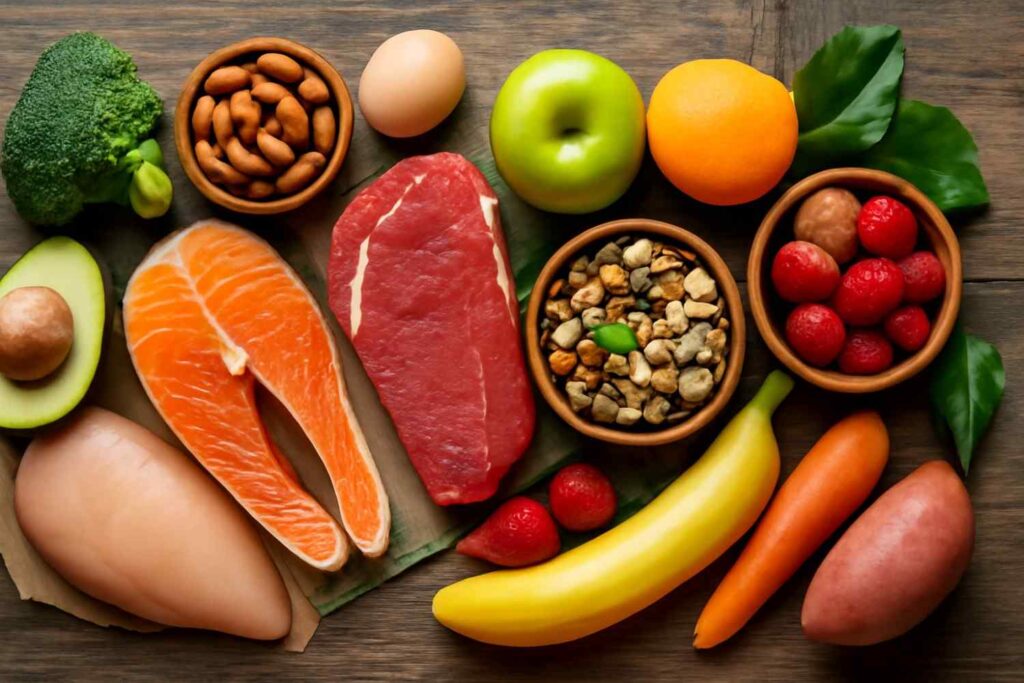
The Paleo Diet, often referred to as the “Caveman Diet,” is a modern nutritional plan inspired by the diet of our prehistoric ancestors. The theory behind it is simple: if our ancestors thrived on whole foods like lean meats, fish, fruits, vegetables, nuts, and seeds, then these foods are likely to be the most beneficial for us today.
The idea of eating like our ancestors has gained significant popularity, and this article will provide a detailed breakdown of what the Paleo diet entails, its benefits, and how to get started.
What is the Paleo Diet?
The Paleo diet is based on the concept of eating foods that would have been available to humans during the Paleolithic era, a period that lasted from approximately 2.5 million to 10,000 years ago. The diet emphasizes whole, unprocessed foods while eliminating modern-day processed foods that became common after the advent of agriculture.
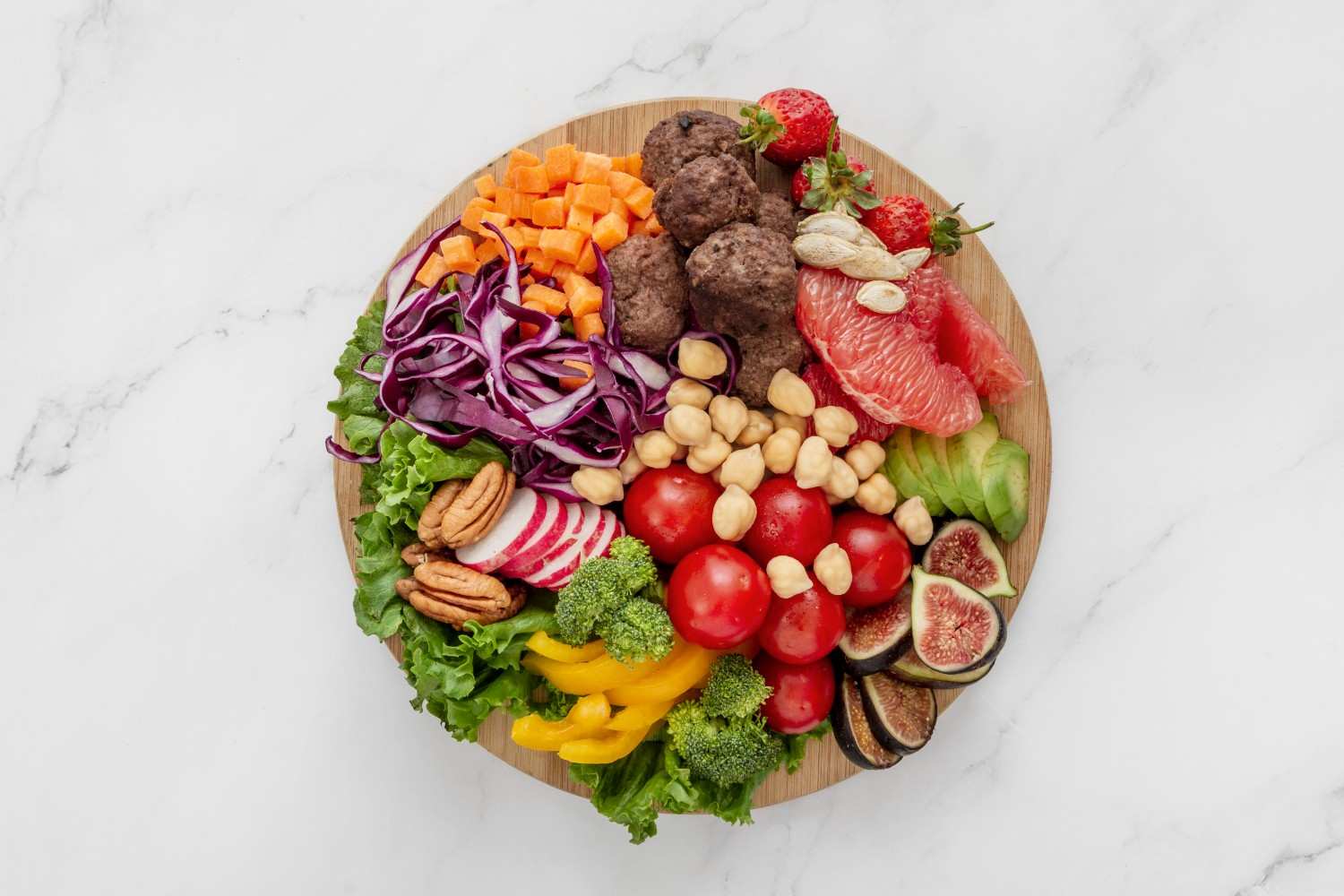
Here’s what the Paleo diet excludes:
- Grains (wheat, rice, oats, etc.)
- Dairy products
- Legumes (beans, lentils, peanuts)
- Processed foods (sugar, refined oils, etc.)
On the flip side, the diet encourages the consumption of:
- Lean meats (grass-fed, pasture-raised, or wild-caught)
- Fish and seafood
- Fruits and vegetables
- Nuts and seeds
- Healthy fats (avocados, olive oil, coconut oil)
Key Principles of the Paleo Diet
- Whole Foods Only: Focus on natural foods that are minimally processed, reflecting the foods that our ancestors ate.
- High Protein: Protein is a cornerstone of the Paleo diet, coming from grass-fed meat, fish, and eggs.
- Healthy Fats: Unlike low-fat diets, Paleo emphasizes consuming healthy fats such as those found in nuts, seeds, and avocados.
- No Refined Sugars: The Paleo diet eliminates sugar and any artificial sweeteners, which can negatively impact metabolism and lead to various health issues.
- Emphasis on Local and Organic: Eating foods that are locally sourced and organic is strongly encouraged to ensure maximum nutritional value.
Benefits of the Paleo Diet
The Paleo diet offers several health benefits, many of which are backed by scientific research. Below are some of the key advantages:
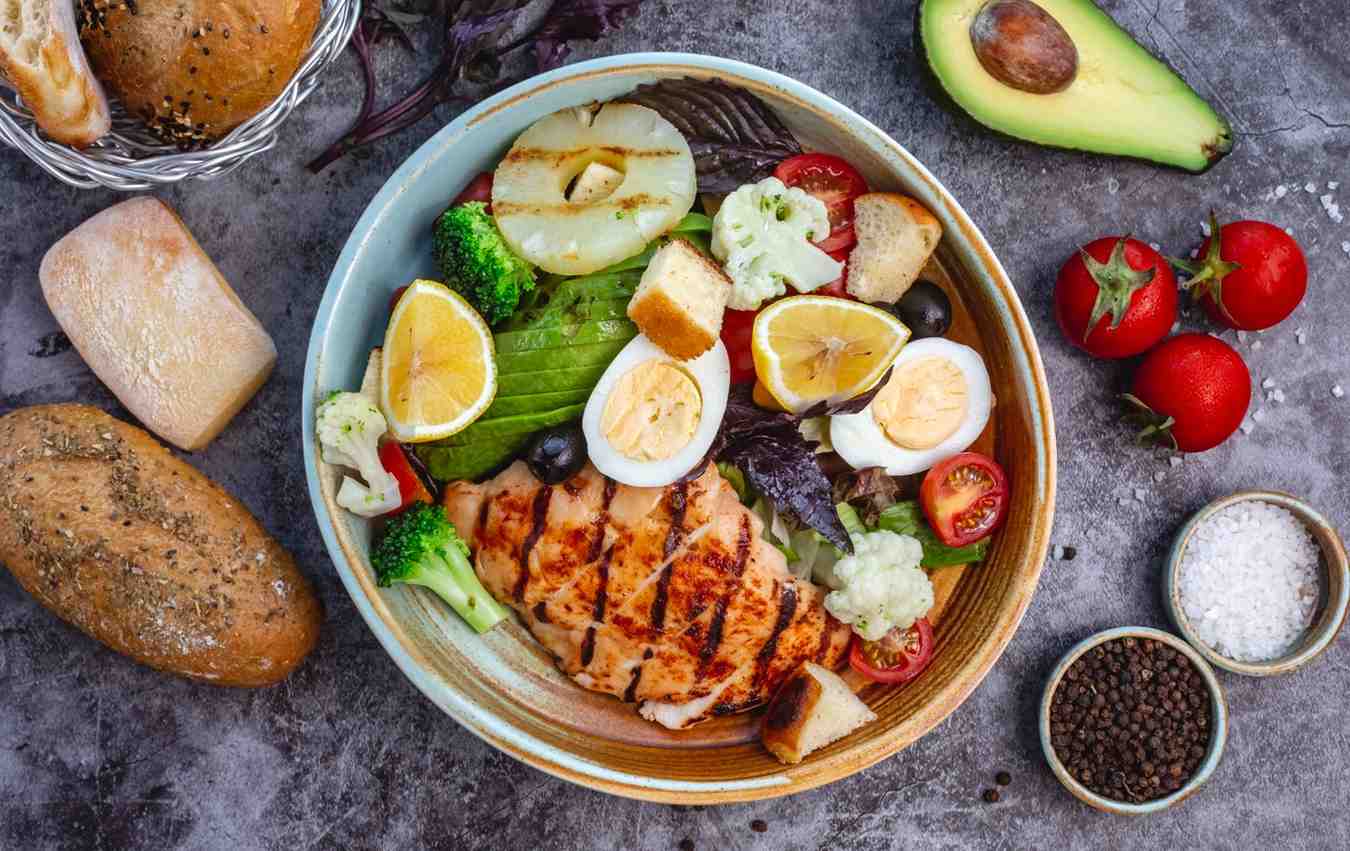
1. Weight Loss
One of the most widely reported benefits of the Paleo diet is weight loss. By cutting out refined sugars, processed foods, and grains, the diet naturally reduces calorie intake and promotes a higher intake of protein and fiber, which helps to control hunger and boost metabolism. Many people find that they lose weight steadily when following the Paleo lifestyle.
2. Improved Blood Sugar Control
The Paleo diet helps stabilize blood sugar levels by eliminating refined sugars and high-glycemic foods, which are known to spike blood sugar. This can be especially beneficial for individuals with type 2 diabetes or those at risk of developing the condition.
3. Better Digestive Health
Since the Paleo diet is rich in fiber from vegetables and fruits, it can help improve digestion and gut health. Additionally, by eliminating dairy and gluten, which are known triggers for some digestive issues, individuals often experience less bloating, gas, and discomfort.
4. Reduced Inflammation
Chronic inflammation is a contributing factor to many diseases, including heart disease, diabetes, and arthritis. The Paleo diet promotes anti-inflammatory foods such as fatty fish (rich in omega-3s), vegetables, and fruits, while avoiding processed foods, which are known to increase inflammation in the body.
Paleo Diet Food List
To help you get started on the Paleo diet, here’s a comprehensive list of foods you can enjoy and those you should avoid.
Allowed Foods:
| Category | Foods to Include |
| Proteins | Grass-fed beef, chicken, turkey, wild-caught fish, pork |
| Vegetables | Leafy greens, broccoli, carrots, sweet potatoes |
| Fruits | Apples, berries, bananas, oranges |
| Healthy Fats | Avocados, coconut oil, olive oil, nuts, seeds |
| Beverages | Water, herbal teas, coconut water |
Foods to Avoid:
| Category | Foods to Exclude |
| Grains | Wheat, oats, rice, barley, corn |
| Dairy | Milk, cheese, yogurt, cream |
| Legumes | Beans, lentils, peanuts |
| Processed Foods | Packaged snacks, sugary beverages, junk food |
| Refined Oils | Canola oil, soybean oil, sunflower oil |
How to Start the Paleo Diet
Transitioning to the Paleo diet can be a bit of a challenge, especially if you’re accustomed to processed foods and grains. However, it’s possible to ease into it without feeling overwhelmed. Below are some tips to help you get started:
1. Begin with a Clean Slate
Start by clearing out your pantry and fridge of any non-Paleo items. This includes grains, dairy, processed snacks, and sugars. Stock up on Paleo-approved foods like fresh vegetables, fruits, grass-fed meat, and healthy fats.
2. Meal Planning is Key
Planning your meals in advance is essential to stay on track with the Paleo diet. Look for simple recipes that incorporate protein, vegetables, and healthy fats. Make use of batch cooking to save time during the week.
3. Experiment with New Recipes
The Paleo diet isn’t about eating bland food; it’s about enjoying creative, nutrient-dense meals. Experiment with different spices and herbs to add flavor to your dishes. For example, roasted sweet potatoes with rosemary and olive oil make for a delicious side dish.
4. Gradually Eliminate Non-Paleo Foods
Instead of going cold turkey, consider gradually removing non-Paleo foods from your diet. This can help your body adjust more easily, and it will prevent you from feeling deprived.
Common Challenges on the Paleo Diet
While the Paleo diet offers numerous benefits, there are a few challenges that people commonly face when following it.

1. Social Situations
It can be difficult to stick to the Paleo diet in social settings, where there may be limited options. However, with proper planning, you can bring your own Paleo-friendly snacks or meals to gatherings.
2. Expense
Grass-fed meats, organic vegetables, and other whole foods can be more expensive than processed foods. However, many Paleo practitioners suggest buying in bulk, purchasing frozen fruits and vegetables, and shopping at local farmers’ markets to reduce costs.
3. Nutrient Deficiencies
Some individuals may experience deficiencies in certain nutrients, such as calcium and vitamin D, due to the exclusion of dairy. It’s important to ensure you’re consuming other sources of these nutrients, like leafy greens, nuts, and fortified foods.
Conclusion
The Paleo diet offers a natural and effective way to improve your health by focusing on whole, unprocessed foods. By cutting out grains, dairy, and processed foods, you may experience benefits such as weight loss, improved blood sugar control, and better digestive health. However, transitioning to this lifestyle requires commitment, meal planning, and some adjustments, but with time, it can become a sustainable way of eating that promotes overall well-being.
Whether you’re looking to lose weight, improve your digestion, or simply feel better overall, the Paleo diet provides a structured and nutrient-rich approach to nourishing your body in the way it was designed to thrive.